Standards index

ASTM C39 Testing Equipment

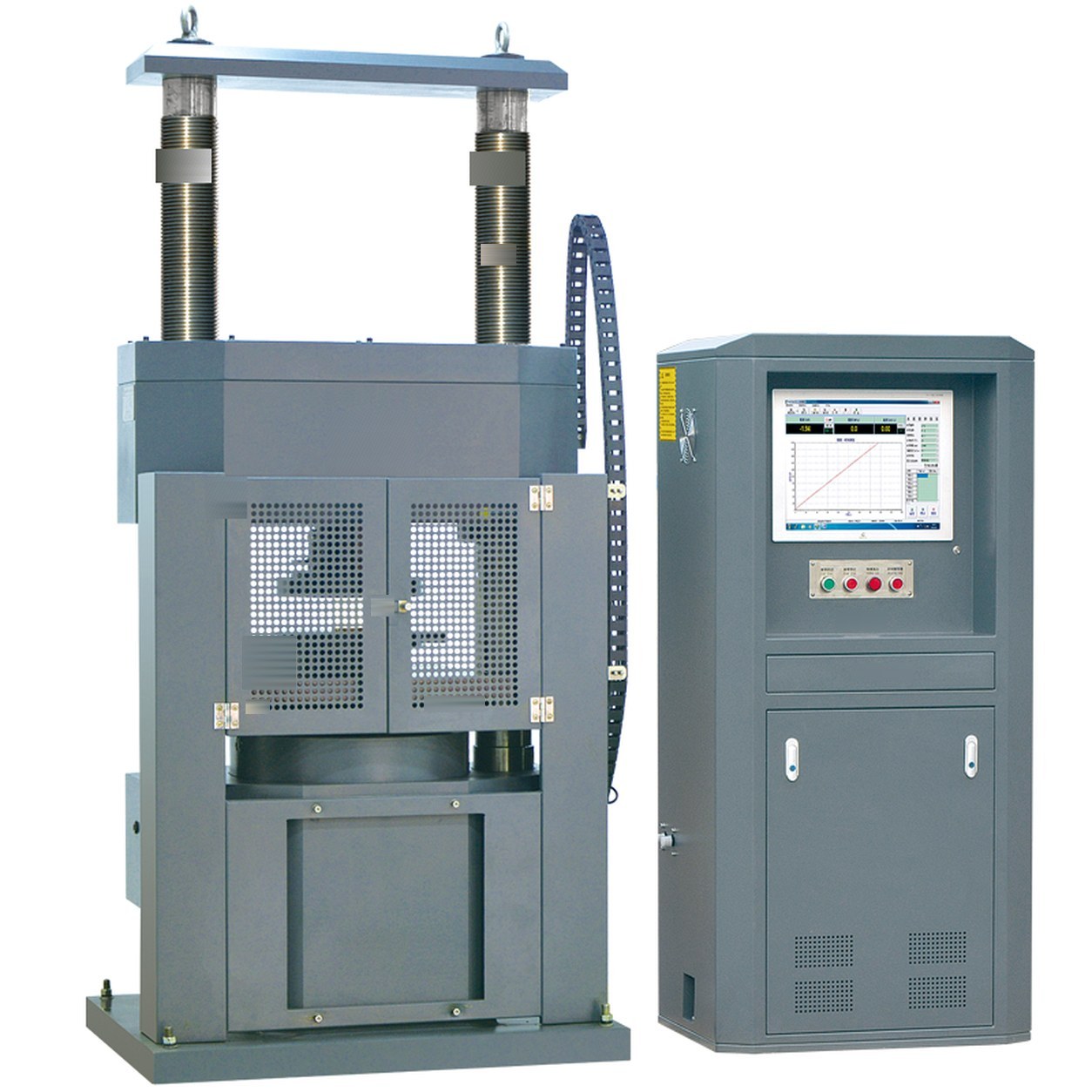
ASTM C39 concrete compression testing equipment: compare 2000 and 3000 kN machines, specimen preparation, fixtures and calibration requirements.

Test Method Context

ASTM C39/C39M covers compressive strength testing of cylindrical concrete specimens, including molded cylinders and drilled cores within its scope. The compression machine applies load to the prepared specimen; compressive strength is calculated from maximum load and loaded cross-sectional area. Obtain the applicable ASTM edition for the test procedure and acceptance requirements.
Equipment Selection

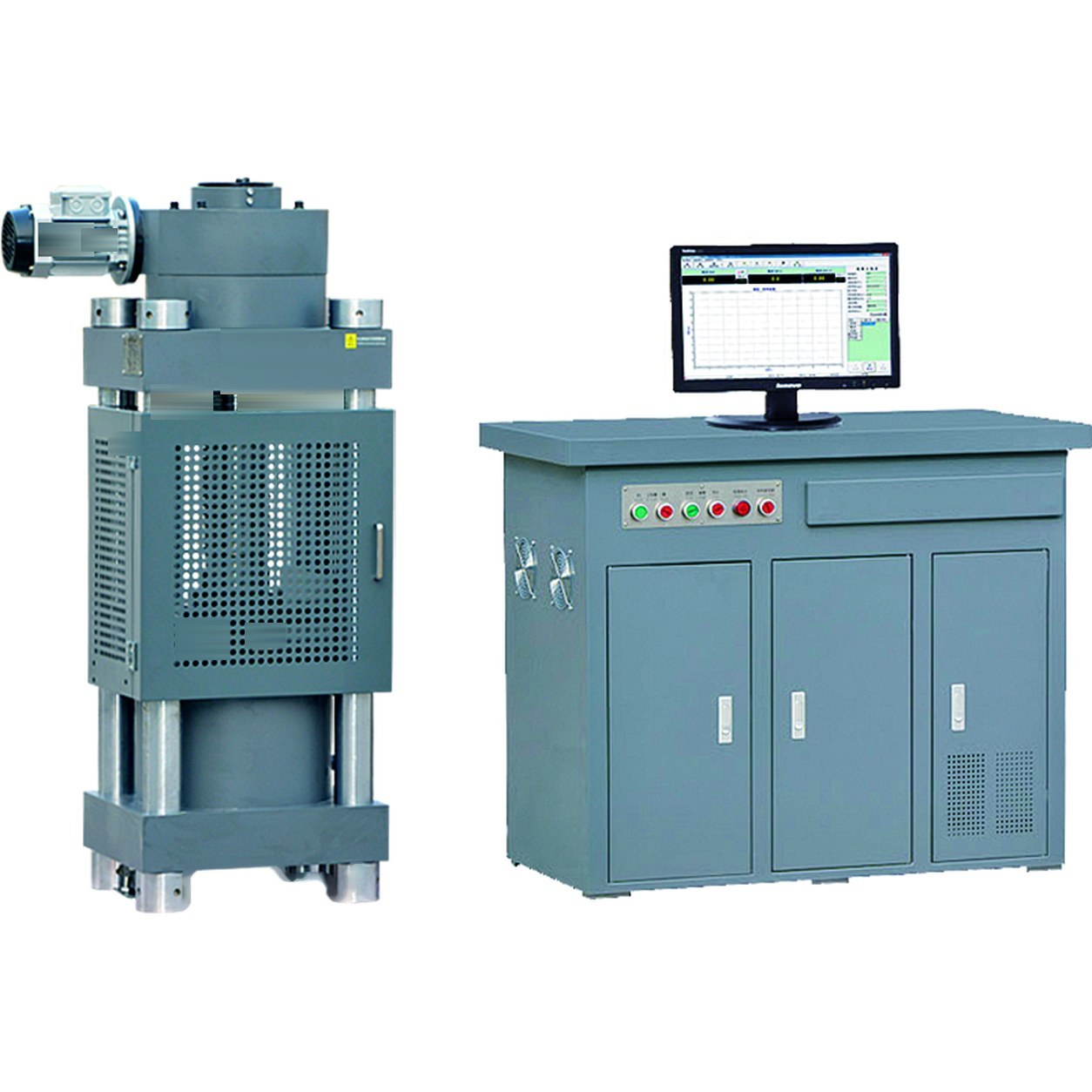
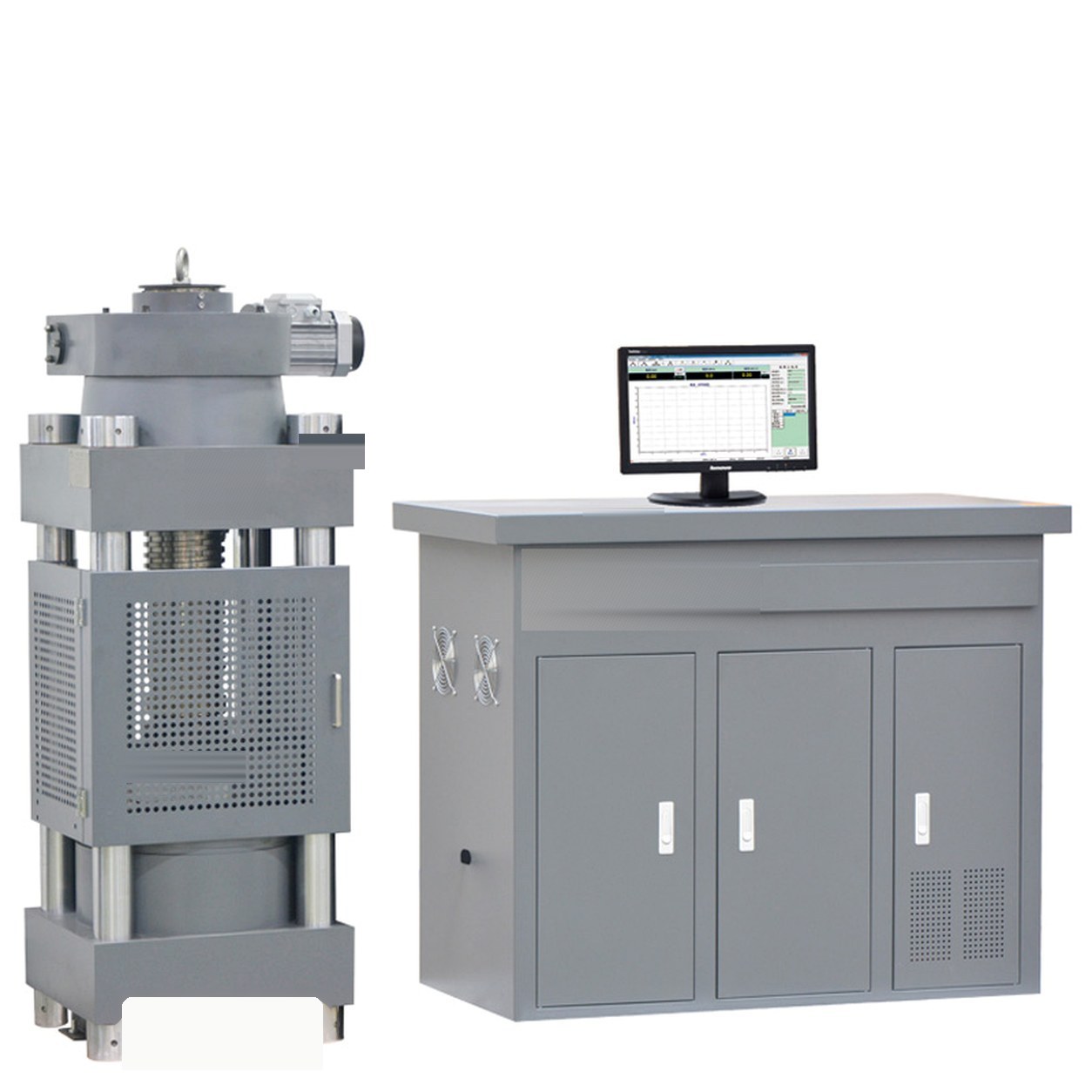
Compare LS-CM2000A (2000 kN), LS-CM3000A (3000 kN) and LS-CM3000P (3000 kN) using specimen dimensions, expected failure load, calibrated force range, bearing blocks and clearances. Add the required molds and end-preparation equipment. An end grinder prepares specimens; it does not measure their compressive strength.

Compare 2000 and 3000 kN concrete compression testing machines

Quality Control Notes

Record specimen identification, measured dimensions, end preparation, test age and maximum load with the required result fields. Request force-verification documentation identifying the machine and measurement range. Confirm the loading-control and bearing-face requirements using the governing edition before laboratory acceptance.

Related Standards

Cylinder mold requirements, specimen making and curing, and capped or unbonded end preparation may be governed by separate documents. Identify the method required for each step in the laboratory SOP. EN 12390-3 is a separate compressive-strength method and EN 12390-4 specifies testing-machine requirements.

Matching Lithostek Equipment

RETURN TO TOP ↑