SAMPLE PREPARATION
Laboratory Crushers & Sample Preparation Equipment
Laboratory jaw crushers, hammer crushers, and double-roll crushers for rock, aggregate, concrete, clinker, mineral, and coal sample preparation.
Performance Selection Criteria
Confirm the largest dimension and representative batch mass. The crusher inlet and practical feed limit must accommodate the real sample without unsafe pre-breaking.
State whether the crushed sample goes to splitting, sieving, pulverizing, chemical analysis, or a materials test. Crusher discharge settings do not replace downstream milling when sub-millimetre powder is required.
Use jaw crushing for robust primary reduction, hammer crushing for brittle materials and higher reduction ratios, and double-roll crushing where controlled narrow output and low over-grinding are priorities.
Confirm jaw, hammer, roll, and liner materials; cleanout access; sealed enclosures; extraction connections; interlocks; emergency stop; noise; voltage; and phase before quotation.
Testing Workflows
Laboratory Crushing & Size Reduction
Primary and secondary crushing equipment for representative laboratory samples before splitting, sieving, pulverizing, or materials testing.
Laboratory Jaw Crushers for Rock, Aggregate & Concrete
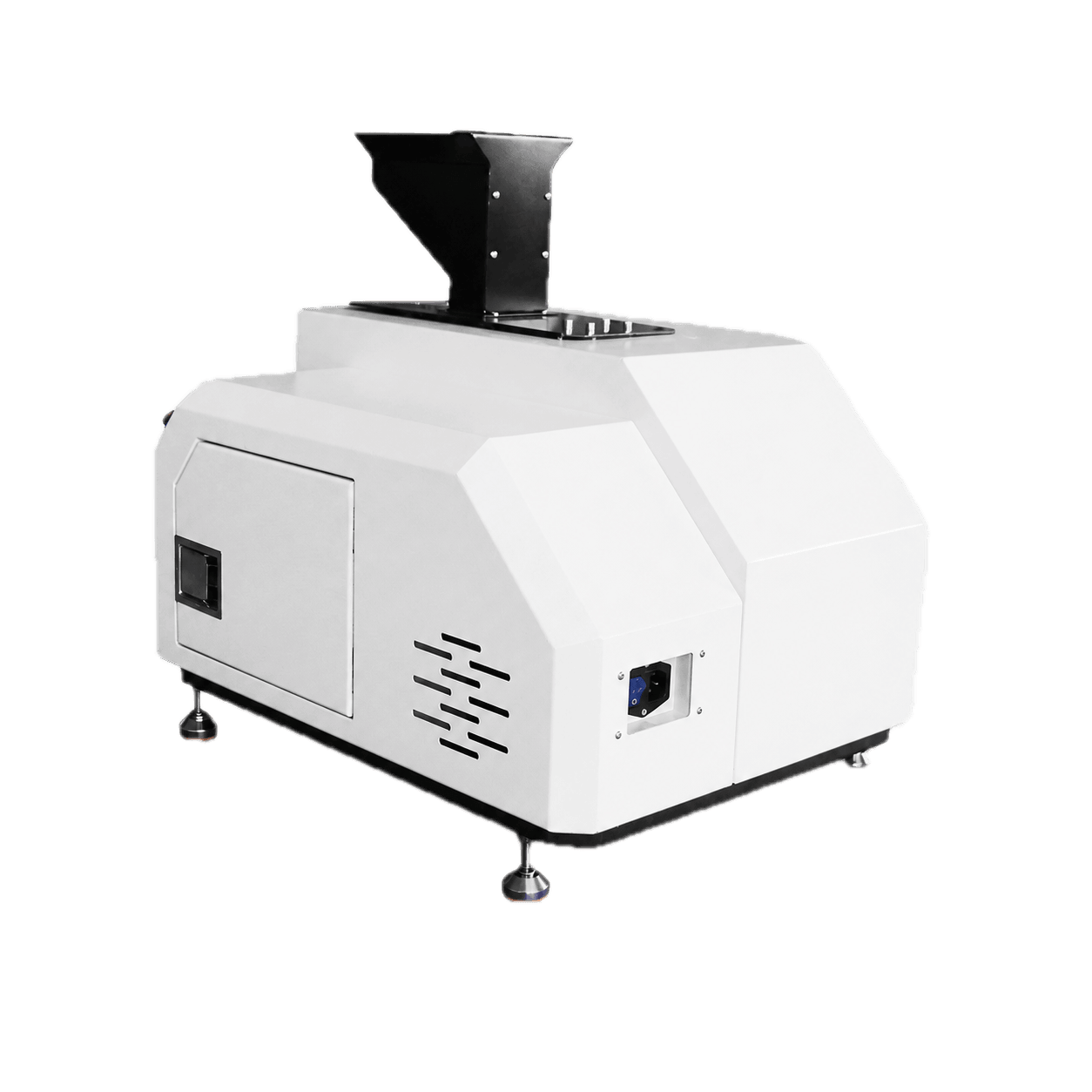
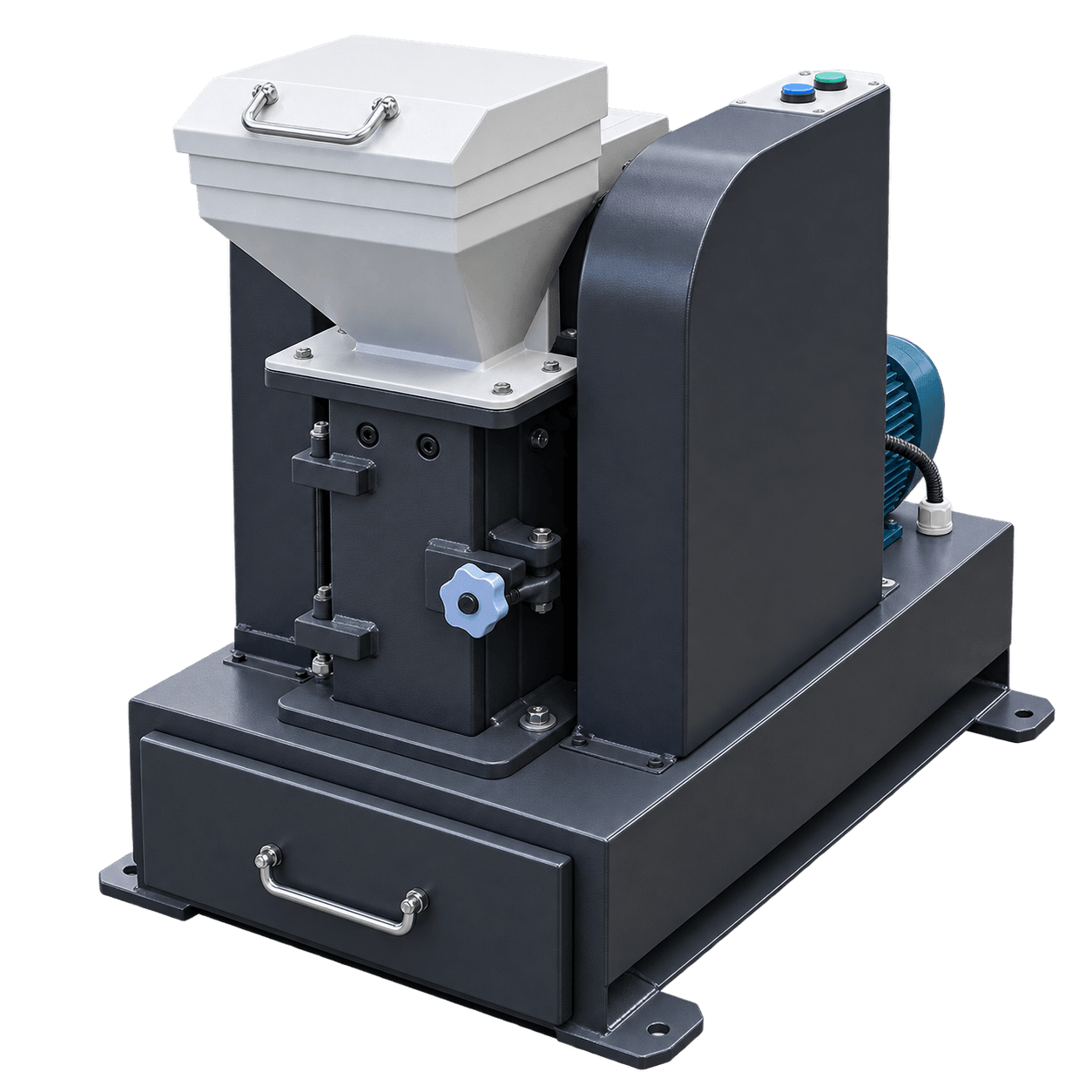
Compact and enclosed laboratory jaw crushers for primary size reduction of rock, aggregate, concrete, clinker, mineral, and brittle bulk samples.
Laboratory Hammer Crushers for Brittle Sample Reduction
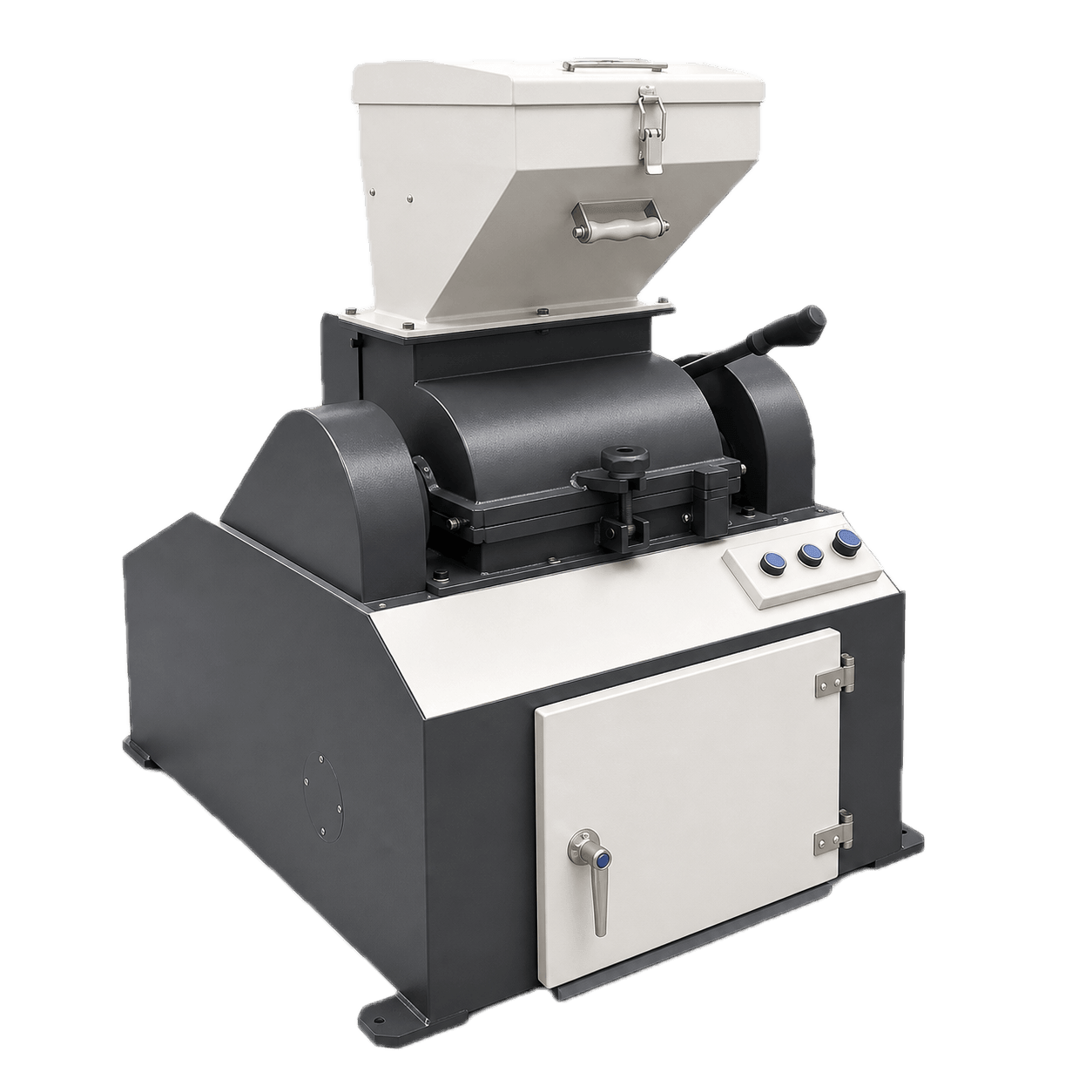
Enclosed hammer crushers with interchangeable screens for rapid reduction of brittle mineral, coal, clinker, and industrial samples.
Laboratory Double-Roll Crushers for Controlled Reduction
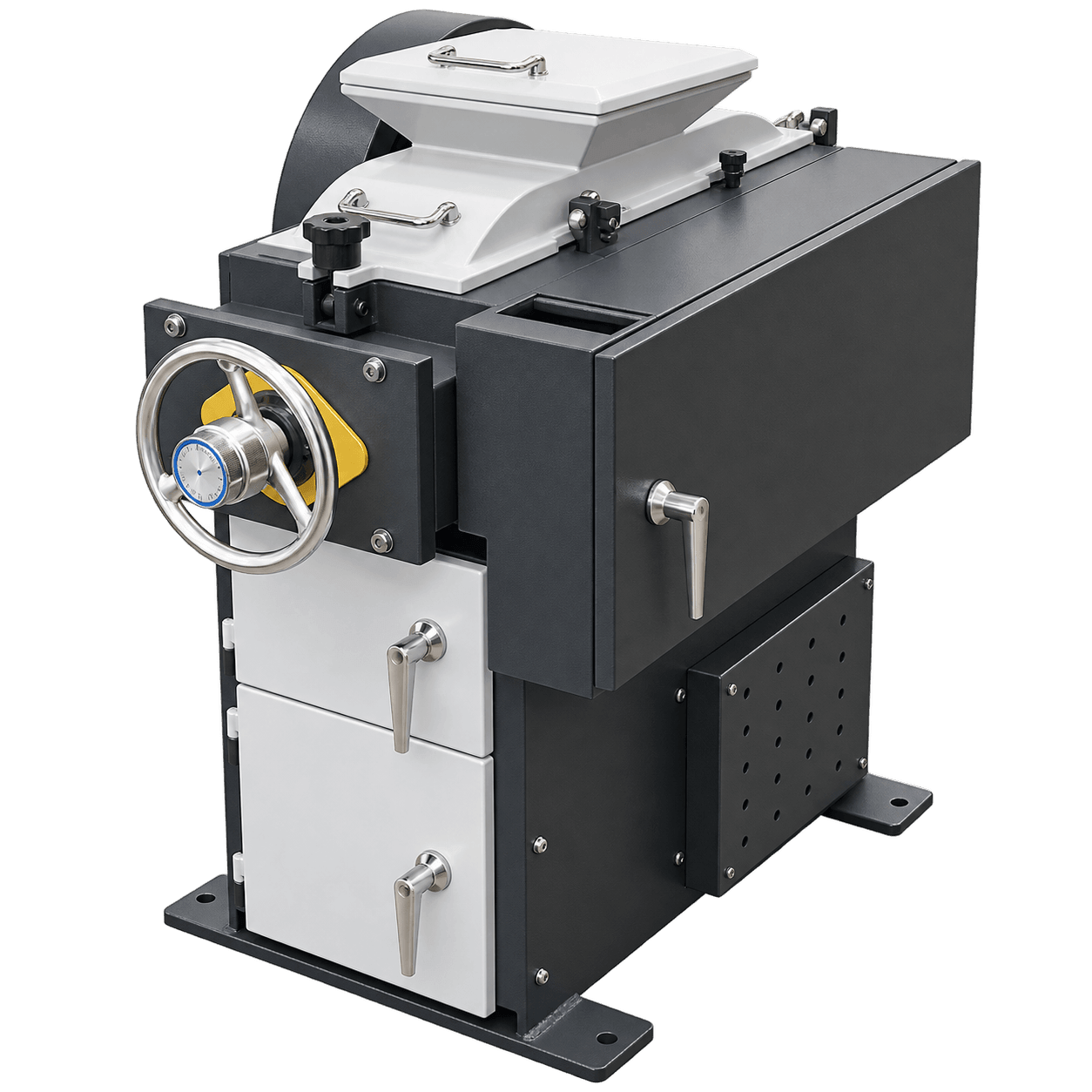
Sealed double-roll crushers for controlled secondary reduction with adjustable gaps and limited over-grinding.
Laboratory Sample Preparation Equipment Laboratory Setup
Plan a complete Laboratory Sample Preparation Equipment laboratory around your daily methods. Lithostek integrates equipment configuration, performance verification, calibration documentation, operator training, and service support for application-specific research, quality-control, and process workflows.
Frequently Asked Questions
Need More Information?
Contact our team to learn more about our laboratory sample preparation equipment solutions and find the perfect equipment for your needs.