Home>Products>CONCRETE>Mechanical Strength Systems>Compressive Strength Testing
Concrete Testing Solutions

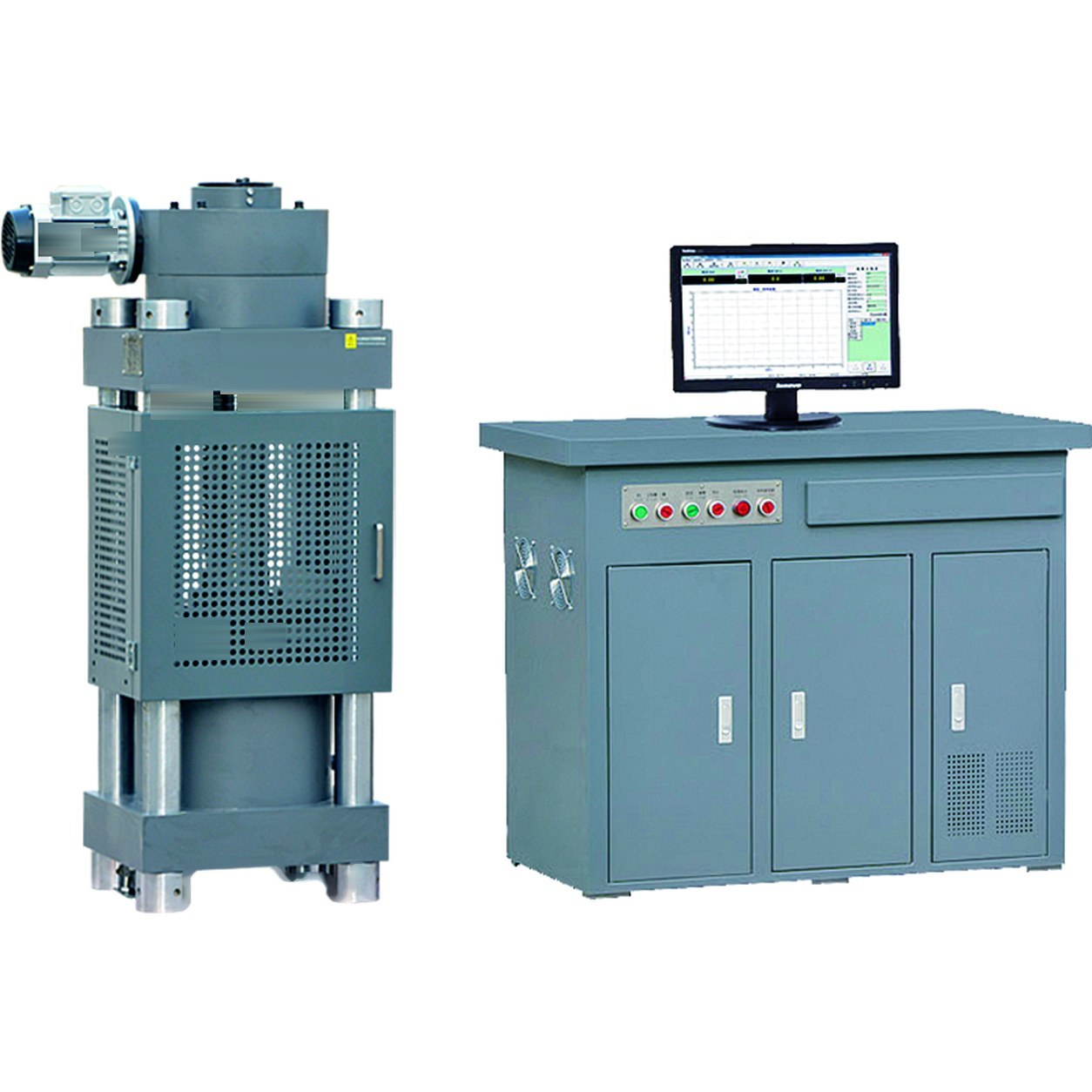
LS-CM2000A 2000 kN Automatic Concrete Compression Testing Machine

Configured for ASTM C39, EN 12390-3, AASHTO T22 workflows

LS-CM2000A 2000 kN Automatic Concrete Compression Testing Machine is a concrete compression testing machine for ASTM C39, EN 12390-3, AASHTO T22 workflows. Quiet operation and stable loading support routine concrete quality control.

Capacity
2000 kN
Grade 1 Precision
Piston Stroke
50 mm
Anti-Leak Seals
Platen Diameter
300 mm
Surface Hardness > 55 HRC
Data Rate
1000 Hz
True Peak Capture

Automatic concrete compression testing

Servo-hydraulic loading and touchscreen operation support routine cube and cylinder strength testing with the selected specimen fixtures.

Quiet operation and stable loading

Designed for laboratories that value quiet operation and stable loading during daily concrete quality-control work.

2000 kN laboratory configuration

Match specimen geometry and expected failure load to the frame, platens and spacers. Confirm calibration coverage and reporting requirements with the configuration.

Application & Selection Guide

Testing Method

2000 kN automatic concrete compression testing machine for cubes and cylinders

LS-CM2000A is a 2000 kN automatic concrete compression testing machine and load frame for laboratories measuring the compressive strength of hardened concrete. Review ASTM C39 for cylinder testing and EN 12390-3 for the project-specified hardened-concrete method. Cube and cylinder configurations require different checks on specimen geometry, bearing faces and fixtures. Select the machine using the expected failure load and verified measurement range as well as its maximum capacity.

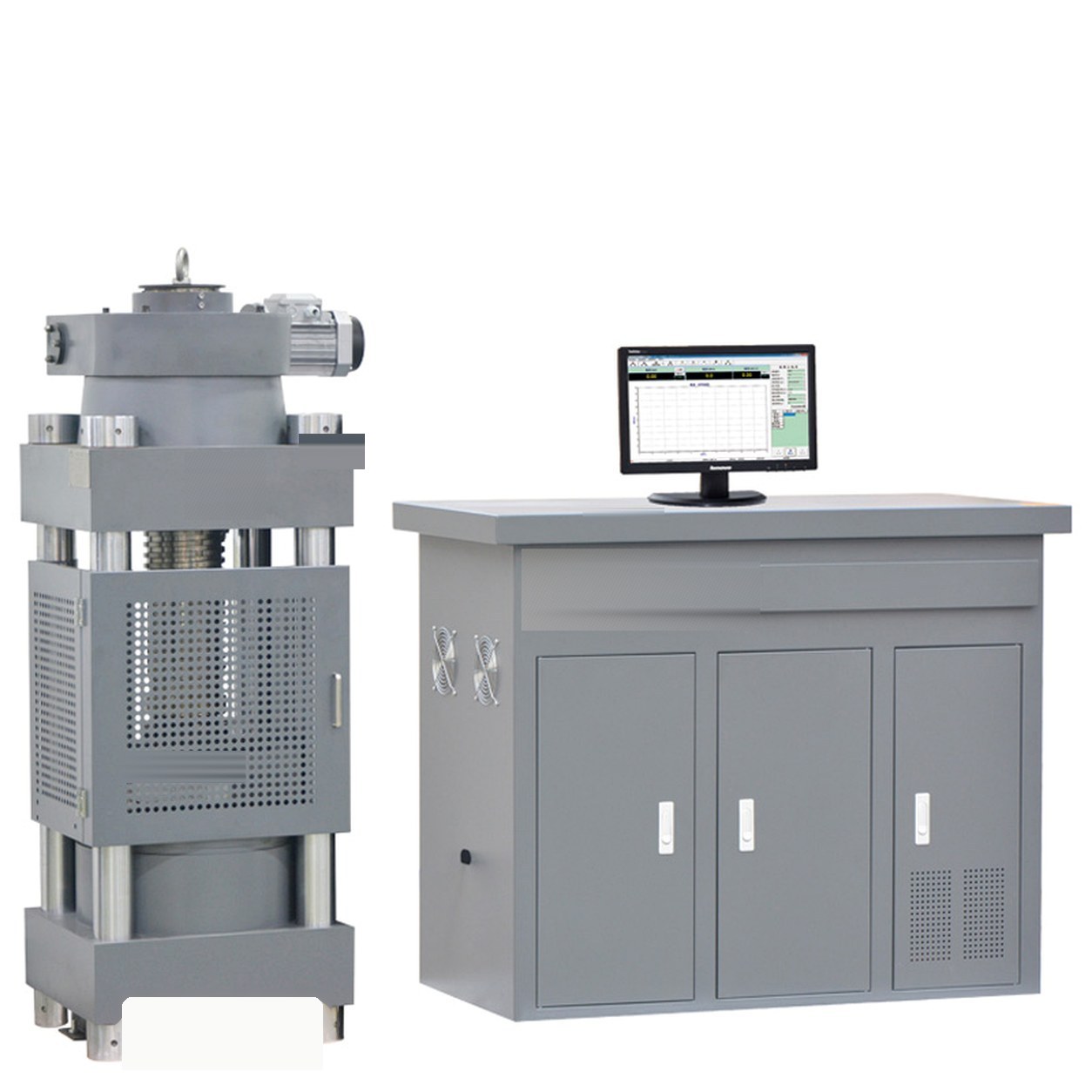
Concrete cube testing configuration

Specify cube side length, expected strength and the required method. A 150 mm cube at 80 MPa produces an estimated 1800 kN failure load; at 100 MPa the estimate is 2250 kN. These examples compare required force, not guaranteed specimen compatibility. Confirm platen coverage, test-space clearance and the verified force range.
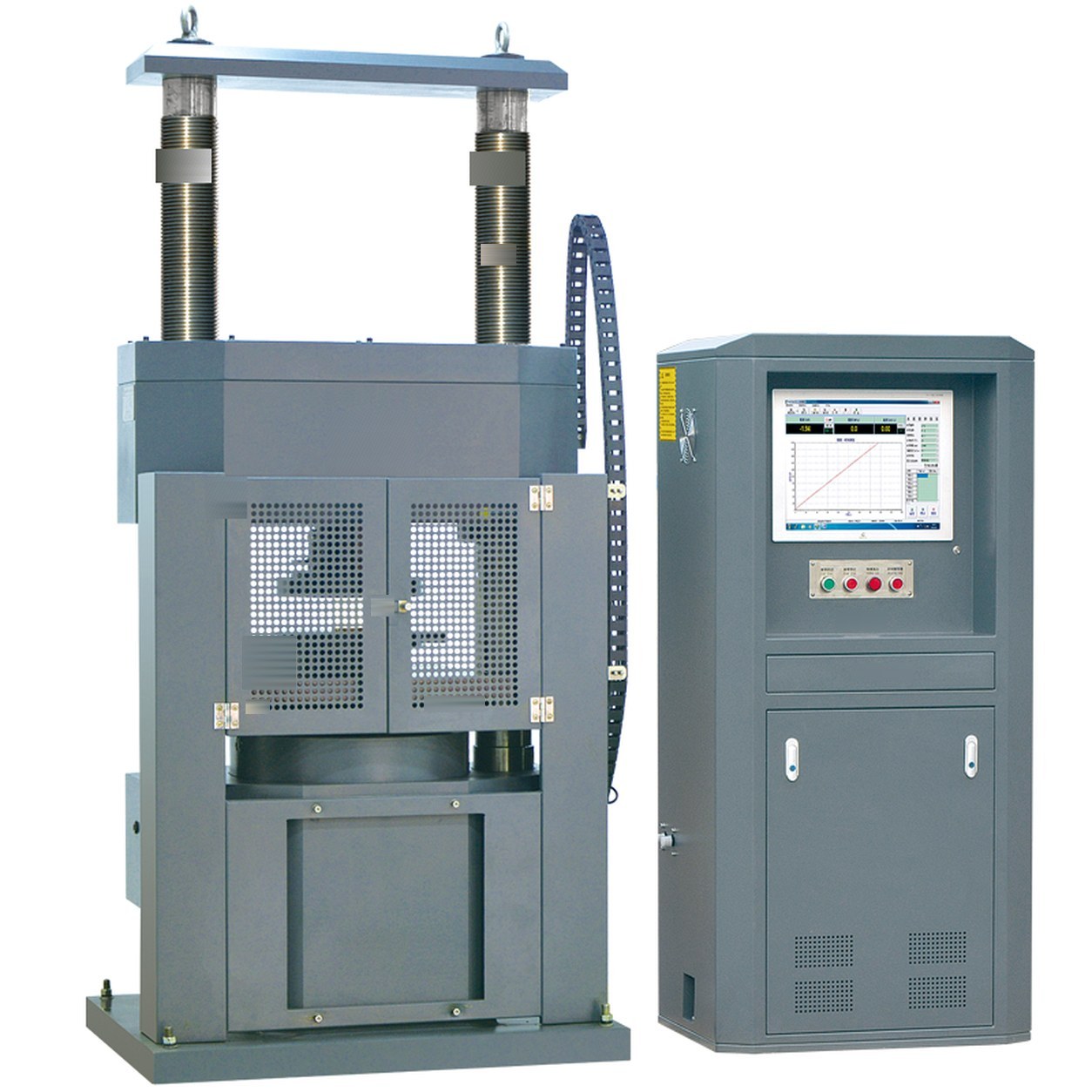
Concrete cylinder testing configuration

Specify cylinder diameter and height together, including any caps or end-preparation fixtures. A 150 mm diameter cylinder at 80 MPa produces an estimated 1414 kN failure load. Its height still determines the required vertical clearance and spacer arrangement. ASTM C39 covers cylindrical specimens; follow the applicable edition for specimen preparation and testing.

Calibration, test records and laboratory installation

Confirm the calibrated force range, load-rate control and required report fields for the quoted configuration. Provide specimen identification, dimensions and expected strength when defining a demonstration test. Request the installation drawing and electrical requirements before preparing the laboratory space.

Technical FAQ

How do I select a 2000 kN concrete compression testing machine?

Calculate the expected failure load from loaded area multiplied by expected strength, then verify the calibrated force range, frame clearance and fixture configuration. Capacity alone does not confirm suitability for every specimen.

Can the same compression machine test concrete cubes and cylinders?

A suitable configuration can cover both workflows, but the specimen height, bearing area, platens, spacers and end preparation must be checked for each. Specify the cube dimensions and cylinder diameter and height when selecting the equipment.

What should an ASTM C39 configuration for LS-CM2000A include?

Review the cylinder dimensions, bearing-block arrangement, end-preparation method, calibrated load range, loading control and test-record requirements against the applicable ASTM C39 edition. The configuration and verification documents should identify the supplied machine.

DOCUMENTED QC
CONFIRMED CONFIGURATION
GLOBAL LOGISTICS
TECHNICAL SUPPORT
RETURN TO TOP ↑