CONCRETE
Concrete Compression Testing Machine
Compare 2000 and 3000 kN concrete compression testing machines for laboratory quality control. Start with LS-CM2000A for quiet operation, stable loading, and a competitive price and production lead-time quotation. Match capacity, specimen dimensions, controls and accessories to your test method.
LS-CM2000A · 2000 kN
Quiet operation. Stable loading. A competitive 2000 kN package.
Get current pricing and production lead time for your specimen format and test method. Compare the full scope: controller, platens, spacers, calibration documentation, packing and support.
Your quotation confirms the configuration, delivery terms and production schedule.
Available Products
4 products in this category
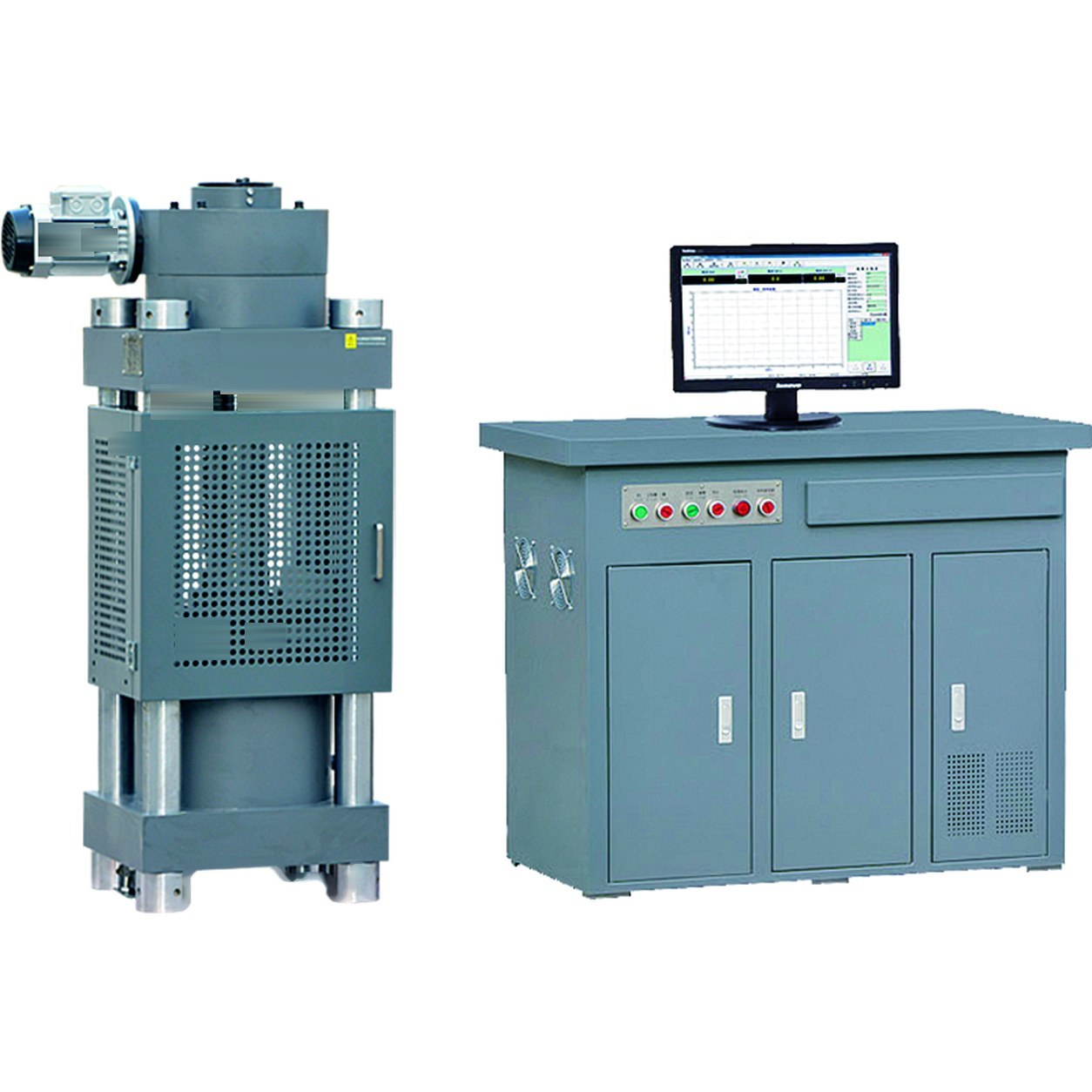
2000 kN Automatic Concrete Compression Testing Machine
LS-CM2000A is a 2000 kN automatic concrete compression testing machine with servo-hydraulic control for laboratory cube and cylinder testing. Quiet operation and stable loading support routine concrete quality control.
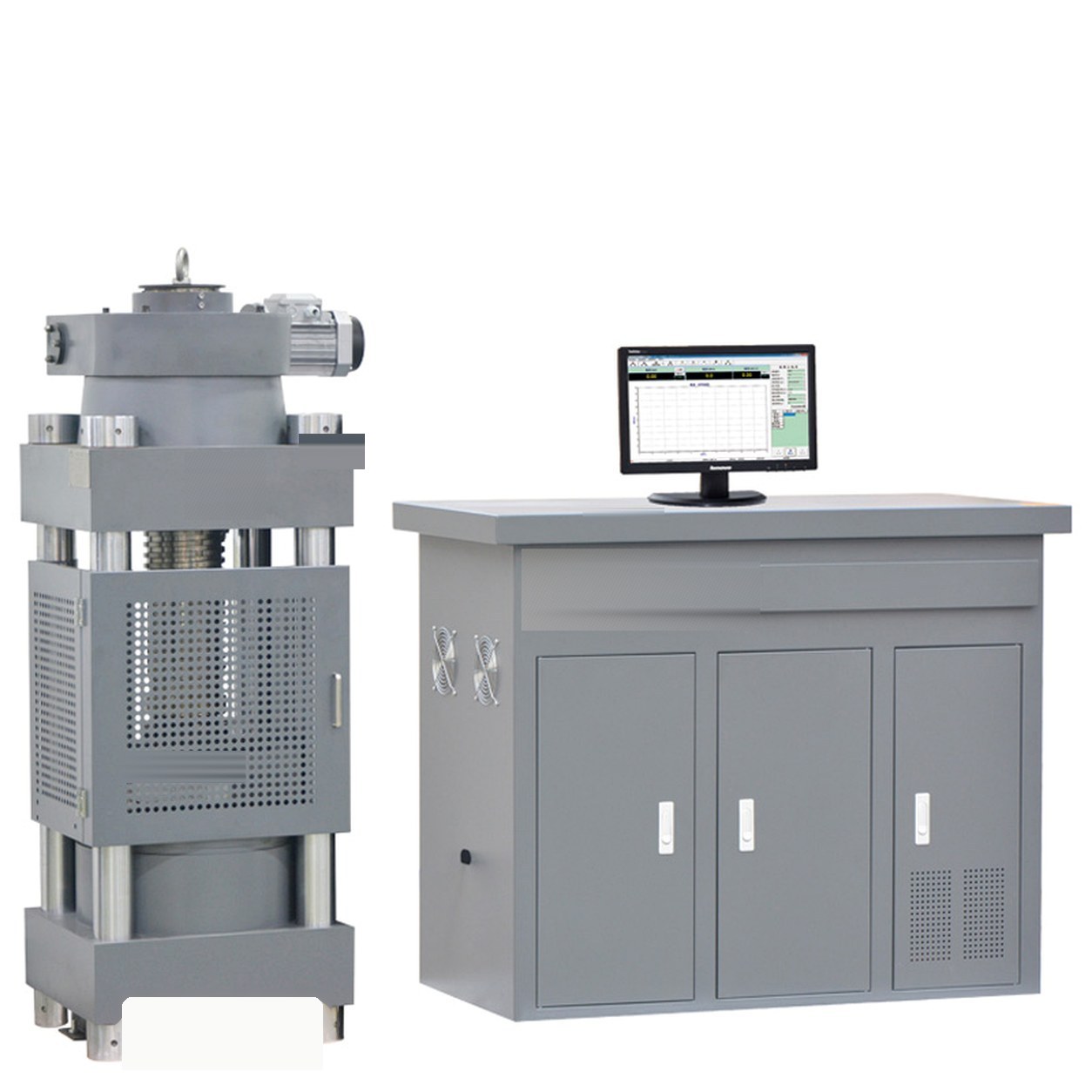
High-Rigidity Concrete Compression Machine (3000 kN)
The flagship 3000kN workstation designed for high-strength concrete (HPC) research. Features a four-column high-rigidity chassis to minimize structural deformation during explosive failure capture.
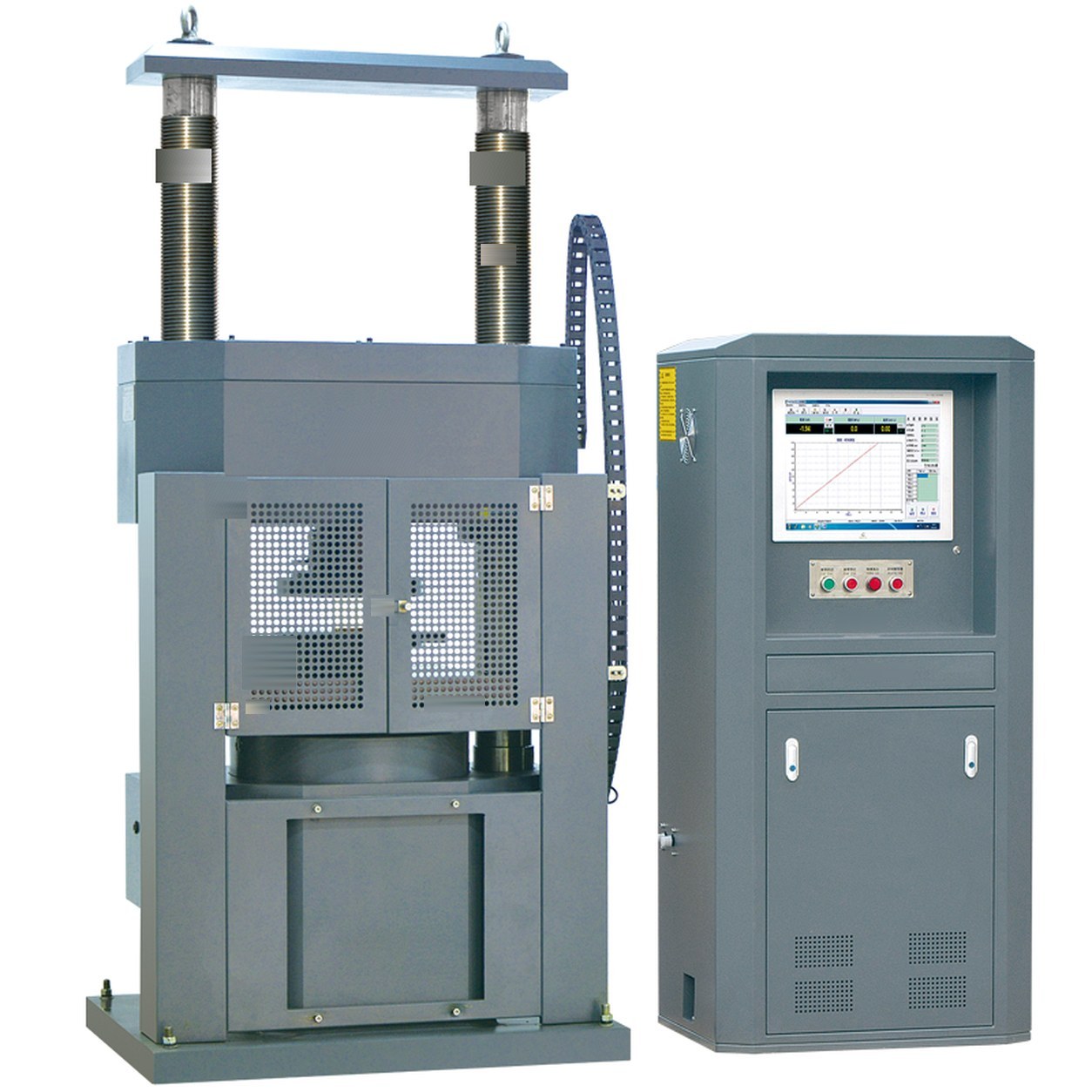
Automated Concrete Compression Machine (3000 kN)
Automated 3000kN concrete compression workstation for high-throughput cylinder and cube testing. The configuration combines servo-hydraulic loading, guarded test space, programmable load rates, and digital reporting for QC laboratories that need repeatable break workflows.
Related specimen preparation
Cylinder end preparation is a separate step in the compression workflow. Review the preparation method alongside your machine quotation.
LS-CML Concrete Cylinder End Grinder →Equipment terminology
Concrete compression frames for cube and cylinder testing
A concrete compression frame, concrete compression test machine and concrete compressive strength tester describe the same core equipment family: a load frame and measurement system used to apply controlled force to a hardened concrete specimen until failure.
Select the actual configuration from the specimen schedule. An automatic concrete cube testing machine needs suitable platens, spacers, clearance and verified force range for the cube sizes and strengths. Cylinder testing also requires the diameter, height, bearing arrangement and end-preparation method.
Lithostek supplies 2000 and 3000 kN concrete compression testing machines. LS-CM2000A is the priority 2000 kN automatic model for laboratories comparing quiet operation, stable loading, current price and production lead time. Send the governing method, specimen dimensions and expected strength range with the RFQ.
Choose a concrete compression testing machine
Compare force capacity, cube and cylinder configurations, and the equipment required for your test method before selecting a frame.
Specimen load calculator
2000 kN or 3000 kN: what load does your specimen require?
Estimate the force at failure from the specimen's loaded area and expected compressive strength. Use the result to start an engineering review of capacity, working range and fixture clearance.
Use expected specimen strength at the test age, including likely variation. A specified concrete class alone may not represent the highest strength your laboratory will test.
Estimated specimen load
1800.0 kN
Loaded area: 22500.0 mm²
- 2000 kN frame
- 90.0% of nominal capacity
- 3000 kN frame
- 60.0% of nominal capacity
This calculation does not select or certify a machine. Verify calibrated range, load control, anticipated strength variation, specimen height, platens and the governing method before ordering.
Request a Quote with These RequirementsFormula: load (kN) = strength (MPa) × loaded area (mm²) ÷ 1000. Cube area = side²; cylinder area = π × diameter² ÷ 4.
Worked examples: a 150 mm cube at 80 MPa gives 1800 kN; the same cube at 100 MPa gives 2250 kN. A 150 mm diameter cylinder at 80 MPa gives approximately 1414 kN. These are theoretical loads, not approved machine operating limits.
ASTM C39, EN 12390-3 and EN 12390-4: what to specify
ASTM C39/C39M
Compressive strength testing of cylindrical concrete specimens, including molded cylinders and drilled cores within the method's scope. Specify specimen diameter, height, end preparation and applicable edition.
ASTM scope and methodEN 12390-3
The compressive strength test method for hardened concrete specimens. Confirm specimen shape, preparation, dimensions and the project edition; a cube and a cylinder of the same nominal size have different loaded areas.
BSI test-method overviewEN 12390-4
Performance requirements for the compression testing machine. Ask which requirements have been verified for the quoted frame and control configuration, and request the applicable verification documentation.
BSI machine requirementsConfirm the standard edition required by your project. Method references describe the selection context; they do not certify every available configuration.
Procurement checklist
Compare the complete price and delivery scope
A concrete compression test machine quotation should identify the equipment and services included. Share this checklist with your procurement team to compare like-for-like packages.
- Rated force in kN, calibrated range, specimen clearance, platens and spacers.
- Controller, load-rate control, result export and report examples.
- End preparation, calibration documents, packing, installation and training scope.
- Currency, EXW/FOB or other delivery terms, production lead time and its starting condition.
- Shipping estimate, destination requirements, warranty and spare parts.
Evaluate quiet operation and stable loading
Ask us about an operating demonstration of the quoted configuration, from specimen approach through loading and return. Review the load-versus-time output alongside the machine's noise and operating conditions.
Noise comparisons should state background noise, distance, instrument and operating state. Loading comparisons should state the specimen, required rate, measurement range and calibration conditions.
Complete the specimen workflow
Frequently Asked Questions
Ready to Find Your Solution?
Our experts can help you select the perfect mechanical strength systems equipment for your specific needs.