ASPHALT MIX
Laboratory Asphalt Mixers for Bituminous Mixture Preparation
Lithostek laboratory asphalt mixers combine controlled temperature, repeatable mixing action, and practical batch capacities to produce representative asphalt mixtures before Marshall, gyratory, wheel-tracking, slab, fatigue, and stiffness testing.
Available Products
4 products in this category
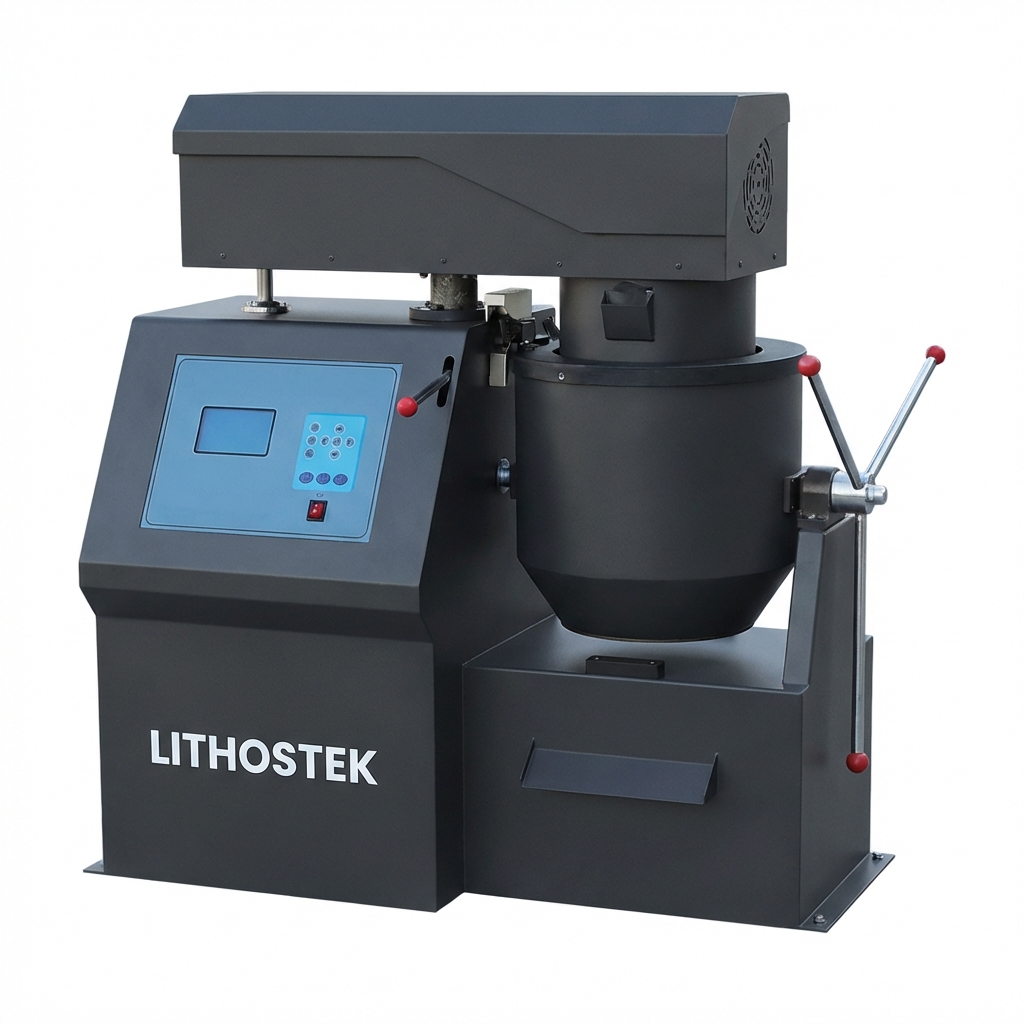
Vertical Planetary Asphalt Mixer
The LS-MIX-V20 is the essential solution for asphalt mixture characterization. A standard vertical planetary mixer delivering precise, repeatable lab batches with high-fidelity thermal stability.
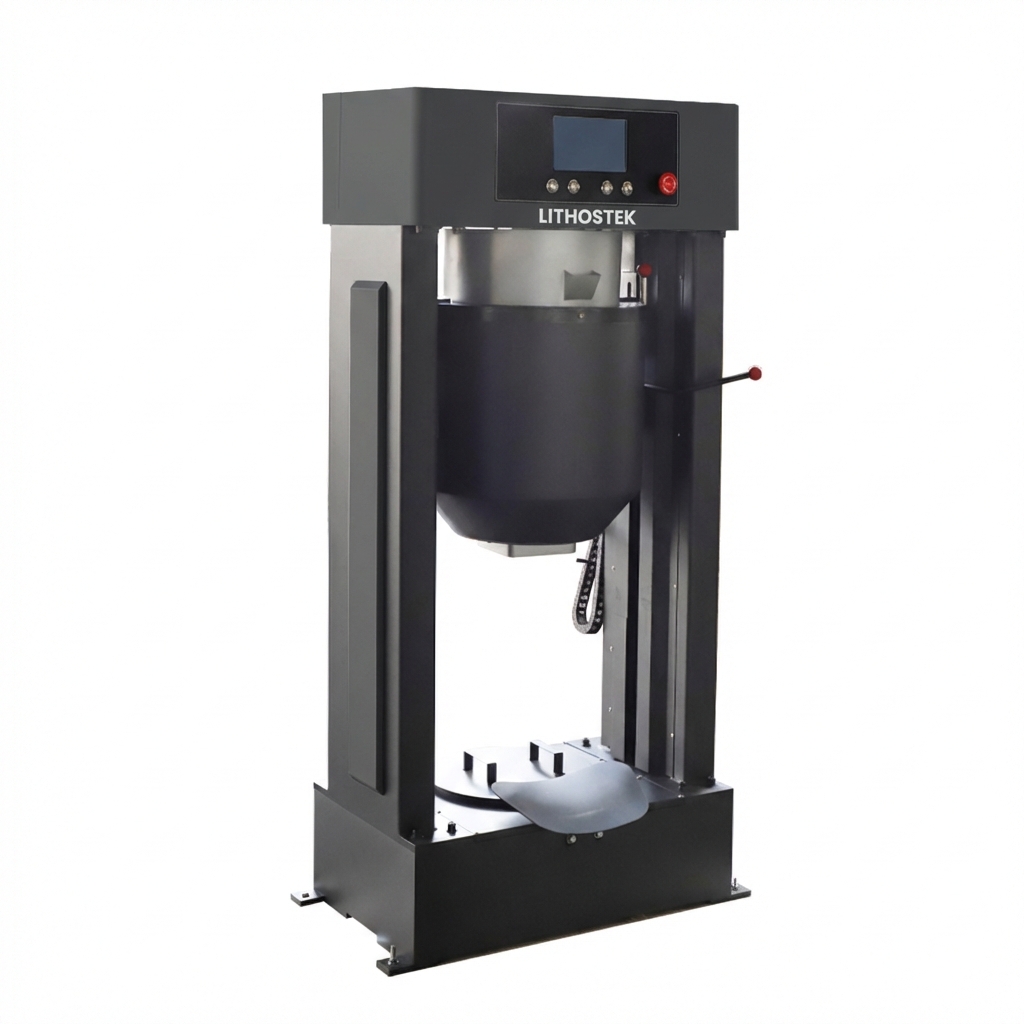
Vertical Planetary Asphalt Mixer
Engineered for high-throughput research, the LS-MIX-V30 expands capacity to 30 liters while maintaining the sophisticated planetary motion required for complex binder-aggregate matrices.
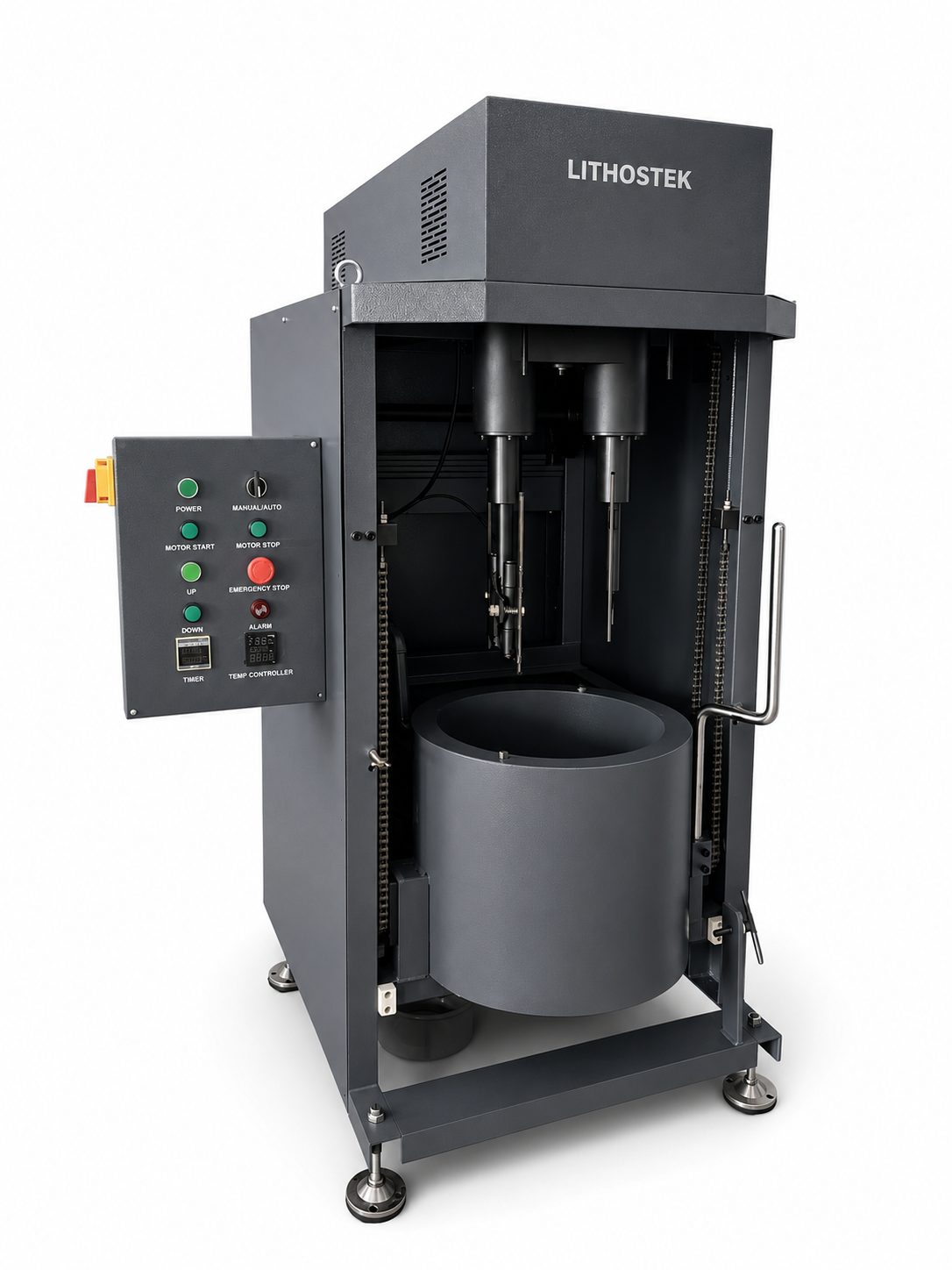
Fully Automatic Asphalt Mixture Mixer (30 L)
The LS-MIX-A30 is a fully automatic 30 L laboratory asphalt mixture mixer for repeatable hot-mix specimen preparation. Its combined revolution and high-speed paddle rotation create axial and radial material movement, while oil-bath heating and PID temperature control maintain stable processing conditions throughout the mixing cycle.
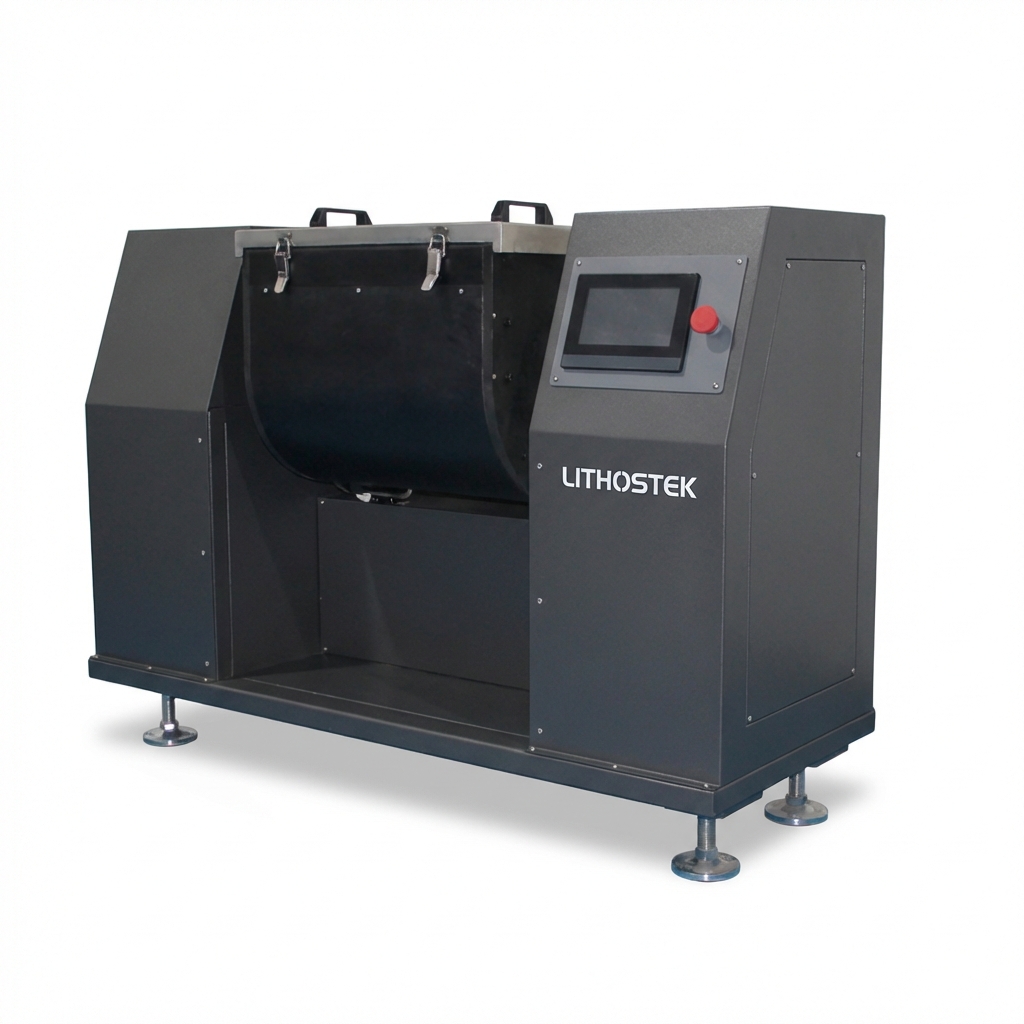
Premium Horizontal Asphalt Mixer
The flagship horizontal mixing workstation. Featuring a dual-capacity chamber and variable frequency drive, the LS-MIX-H60 is designed for the most demanding research and industrial quality control protocols.
Choose by batch size and mixing architecture
Planetary laboratory batches
Compare LS-MIX-V20 and LS-MIX-V30 for routine planetary mixing with 20 L or 30 L vessel capacity.
30 L vertical dual motion
Choose LS-MIX-A30 for automatic 30 L preparation, controlled oil-bath heating, and reduced aggregate-entrapment risk.
High-capacity horizontal mixing
Choose LS-MIX-H60 for throughput-led 30 L or 60 L horizontal mixing workflows.
Preserving Aggregate Gradation
Unintended particle breakage during laboratory mixing can shift aggregate gradation, affecting packing, void structure, binder demand, and compactability. LS-MIX-A30 uses a vertical dual-motion path designed to reduce the risk of coarse aggregate becoming trapped and crushed at close-clearance interfaces, helping preserve the intended job-mix formula.
Read the mixer selection guideMatch the mixer to the specimen workflow
Select capacity from required specimen mass and batch frequency, then compare temperature control, mixing action, cleanability, maximum aggregate size, binder viscosity, and the intended compaction or performance test.
Complete the asphalt mixing workflow
Compact controlled laboratory batches for volumetric mix design.
Prepare impact- or slab-compacted specimens for routine mix evaluation.
Evaluate rutting and moisture susceptibility after controlled mixing and compaction.
Trim and extract compacted specimens for mechanical performance testing.
Standards & Project Configuration
Available configurations support the following published workflows. Confirm the applicable method edition, specimen format, hammer assembly, blow count, power supply, and requested documentation before ordering.
EN 12697-35
Frequently Asked Questions
Ready to Find Your Solution?
Our experts can help you select the perfect mix design & specimen preparation equipment for your specific needs.