Choose the reaction scale
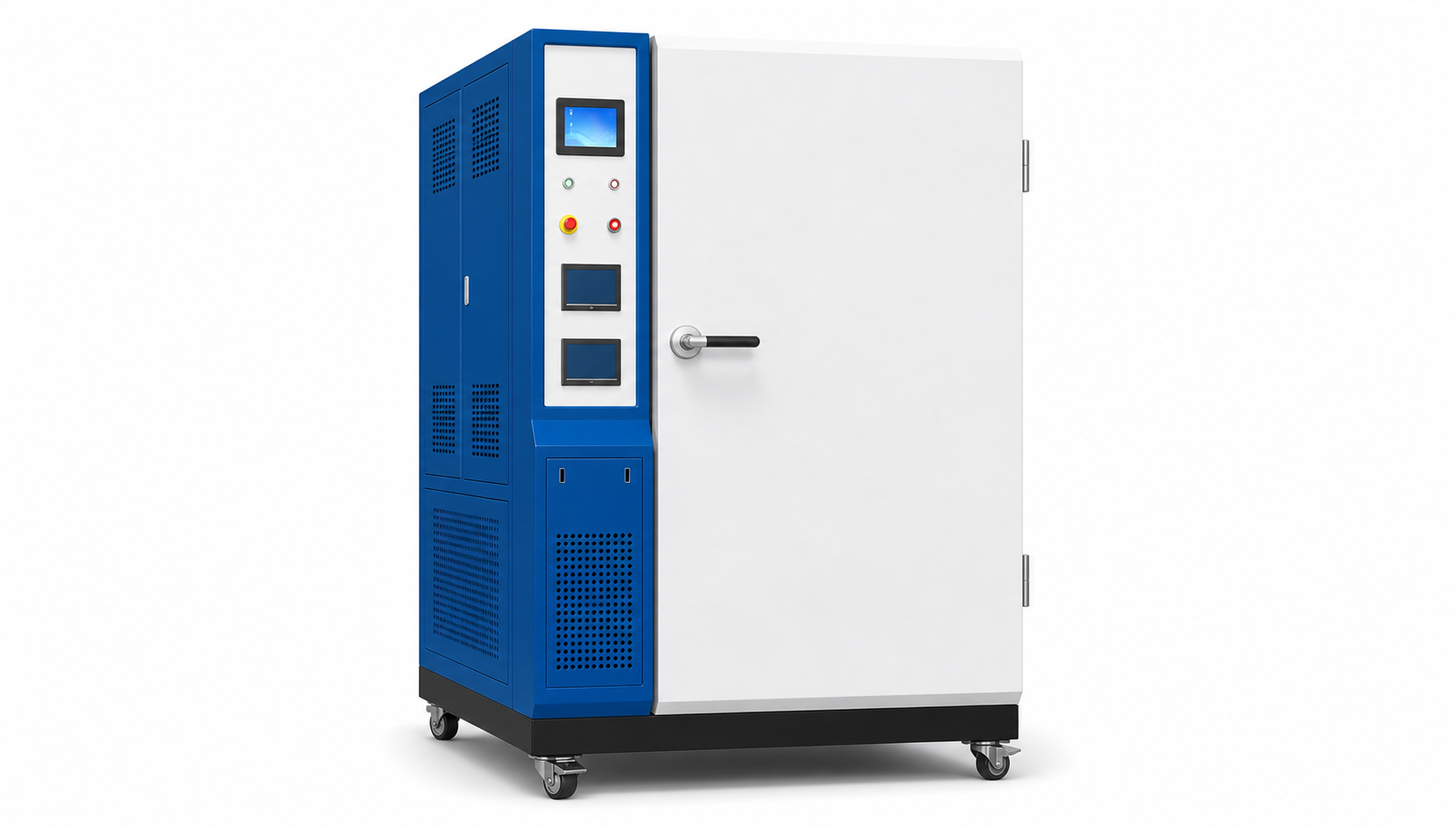
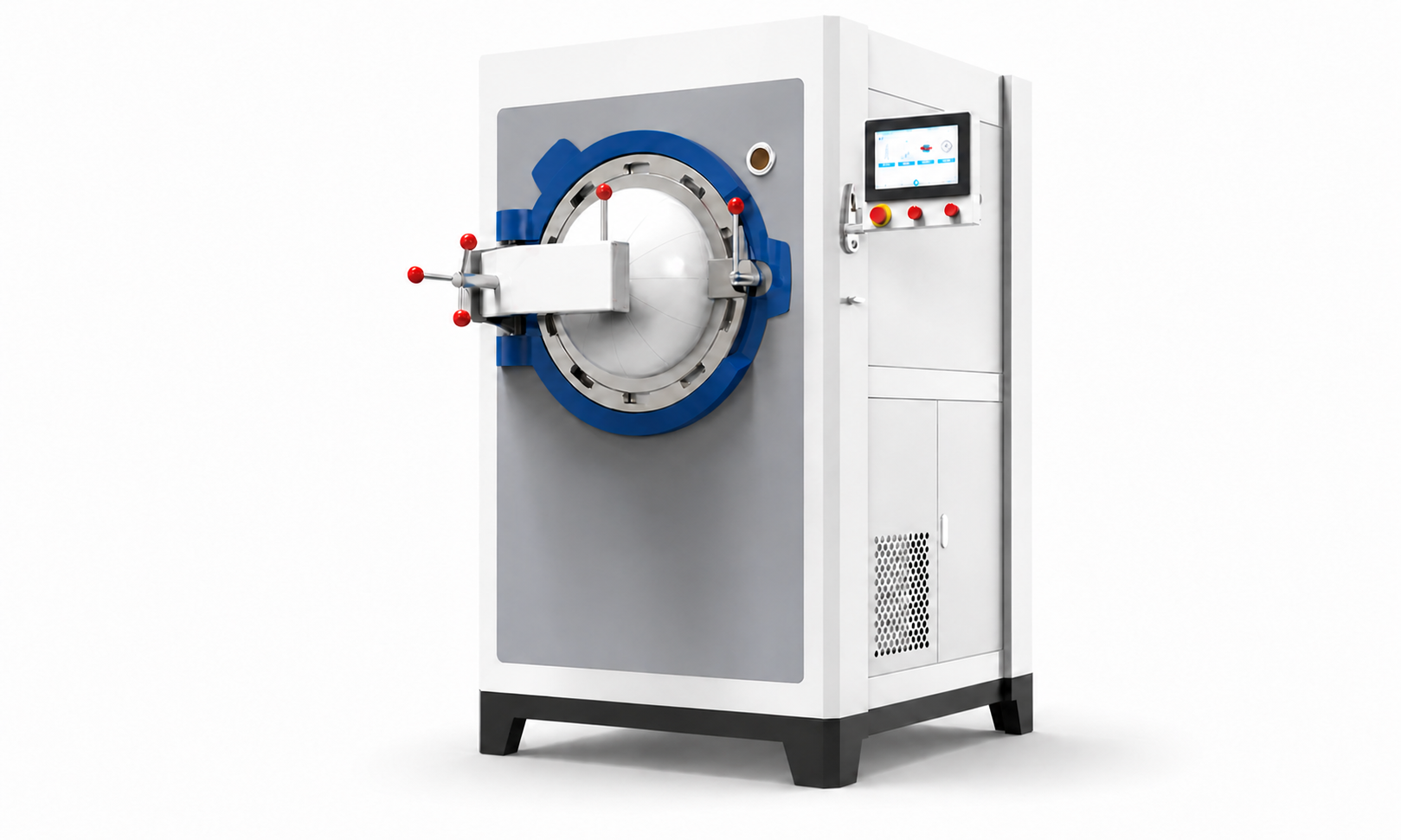
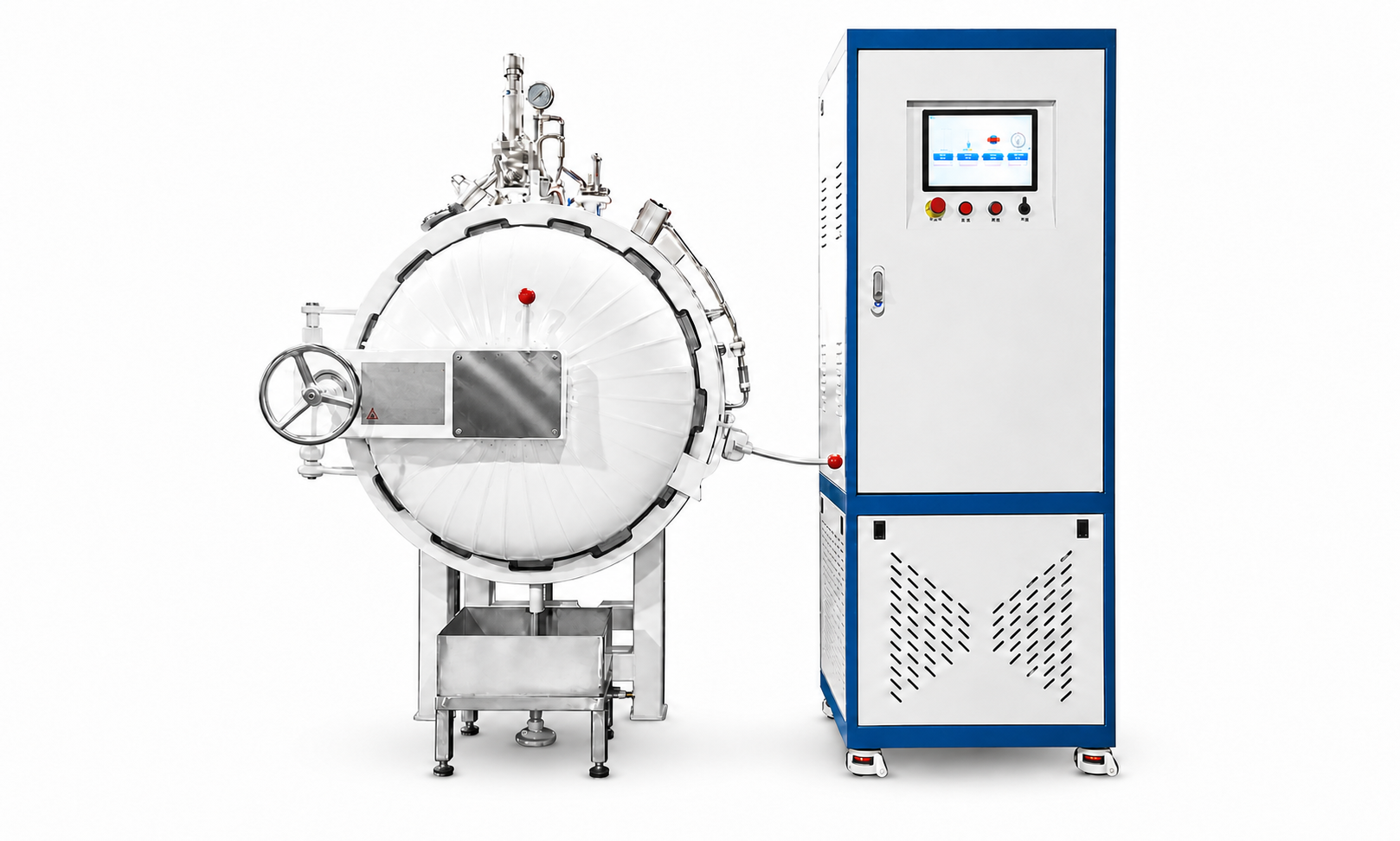
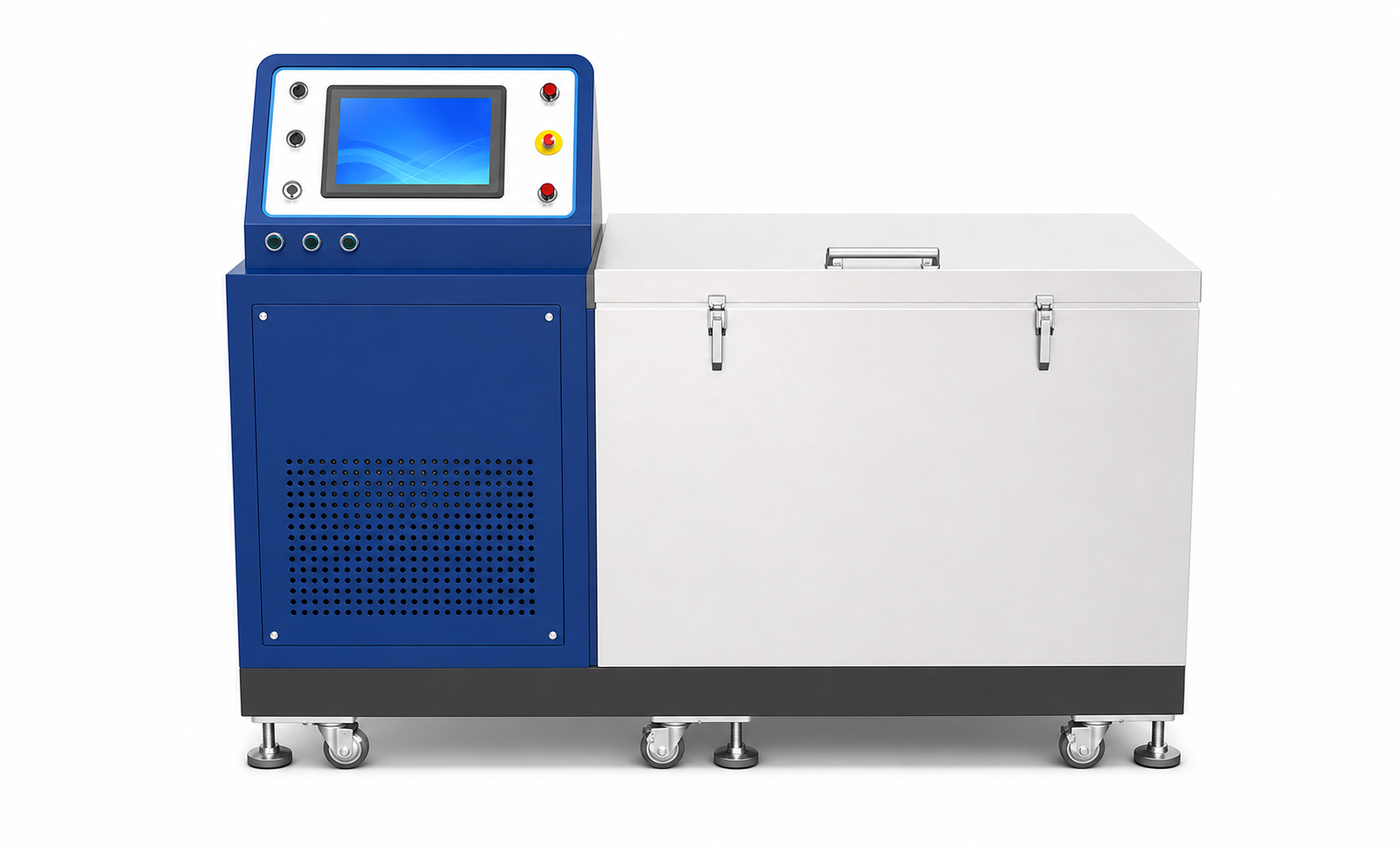
Use LS-CARB-M10 for compact screening, LS-CARB-M20 when active humidity control and a larger chamber are required, and LS-CARB-M120 for representative batches, larger specimens, and process scale-up.
10 L, 20 L, and 120 L configurations for laboratory screening through pilot-scale validation.
LS-CARB-M10 is the compact configuration in the Lithostek pressurized carbon mineralization series. It is intended for bench-scale process screening, formulation comparison, carbonation curing studies, and preliminary scale-up data where controlled gas-phase CO2 exposure is required. Its 0.6 MPa(A) maximum is below the CO2 critical pressure, so this configuration is not presented as a supercritical or deep-geologic-storage simulator.
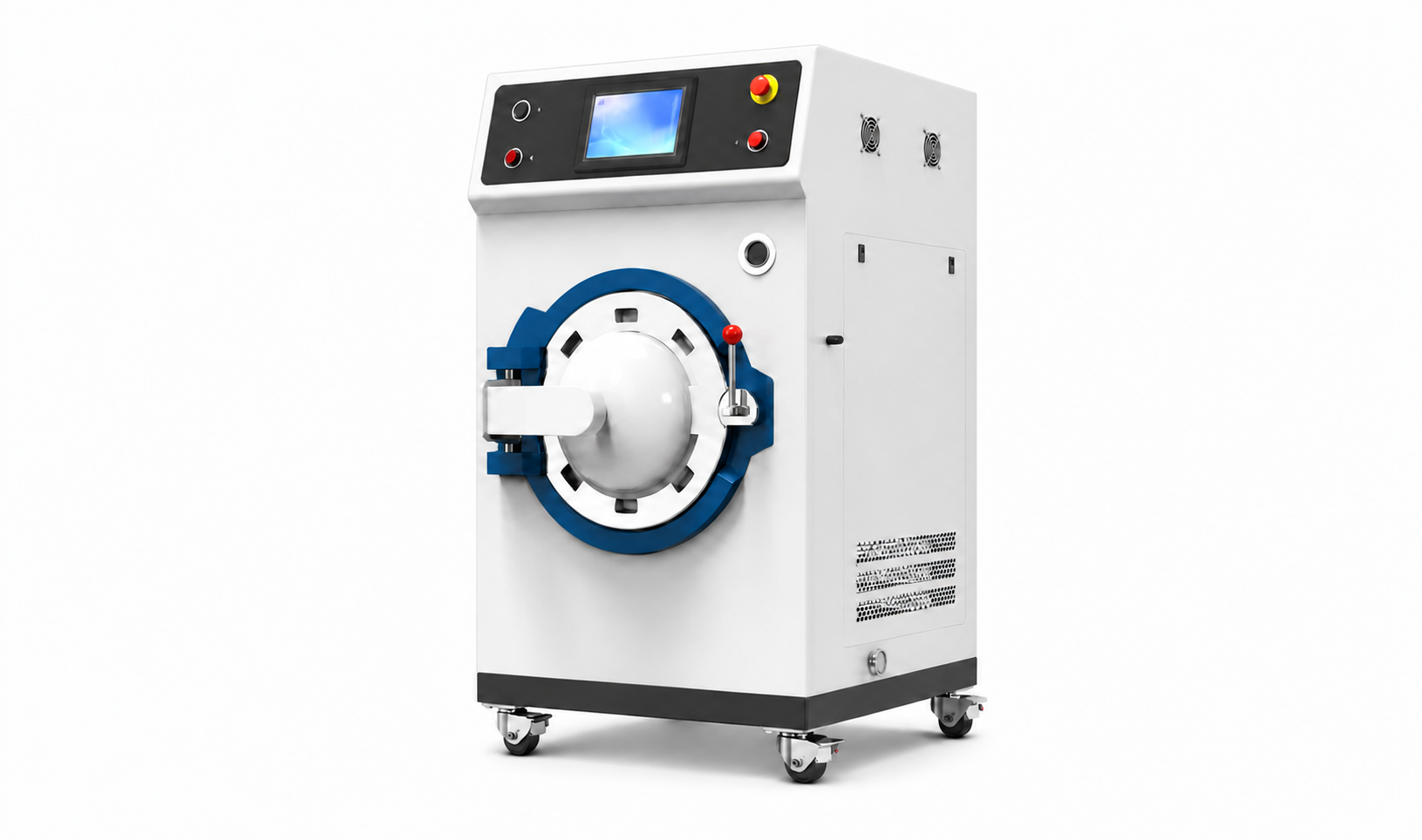
A chamber larger than 10 L gives laboratories a controlled step between atmospheric carbonation boxes and larger pilot-scale mineralization systems.
The gas system supports concentrations up to 99% by volume with pressure and temperature control for accelerated gas-phase reaction studies.
The touchscreen records live process values, curves, lists, and historical test data with Excel-format export for subsequent mass-balance and material-property analysis.
The 0.6 MPa(A) range is designed for pressurized gas-phase carbonation and mineralization screening; it does not reproduce supercritical CO2 or deep geological storage conditions.
LS-CARB-M10 Pressurized CO2 Carbonation & Mineralization Reactor (10 L) is selected by matching material chemistry, specimen or batch size, CO2 concentration, absolute pressure, temperature, humidity, exposure time, gas consumption, data requirements, utilities, ventilation, and destination-market pressure-vessel documentation. The series supports controlled gas-phase carbonation and mineralization research; its pressure range is below the CO2 critical pressure and is not a substitute for a supercritical geologic-storage reactor.
Use LS-CARB-M10 for compact screening, LS-CARB-M20 when active humidity control and a larger chamber are required, and LS-CARB-M120 for representative batches, larger specimens, and process scale-up.
Provide feedstock type, particle or specimen geometry, moisture condition, target CO2 concentration, pressure, temperature, cycle time, expected uptake, and the measurements needed before and after reaction.
The offered vessel, alarms, door interlocks, gas supply, relief arrangement, ventilation, utilities, and compliance documents are confirmed against the destination and laboratory installation.
Laboratory recipes should be transferred using comparable gas contact, heat and moisture control, loading ratio, and measurable carbon balance rather than chamber volume alone.
Common search terms for this configuration include 10 L laboratory CO2 mineralization reactor, bench-scale mineral carbonation reactor, pressurized carbonation reactor, cement carbonation reactor, and carbonation autoclave for recycled concrete fines. It is a controlled gas-phase pressure reactor, not a steam sterilization autoclave or supercritical CO2 system.
Choose the 10 L configuration for compact screening, the 20 L configuration for humidity-controlled laboratory studies, or the 120 L system for larger specimens and pilot-scale validation. Final selection also depends on utilities, pressure, temperature, gas handling, and documentation requirements.
Typical programs include cement paste, mortar, concrete, recycled concrete aggregate or fines, slag, ash, mine residues, and other alkaline materials. Compatibility and loading geometry are reviewed before quotation.
No. The listed 0.6 MPa(A) standard and 1.0 MPa(A) optional ranges are below the CO2 critical pressure. These systems are intended for pressurized gas-phase carbonation, carbon curing, and mineralization development rather than deep-geologic-storage simulation.
No single standard covers all of these research and scale-up workflows. The test recipe, measurement plan, gas balance, safety scope, calibration documents, and destination-market pressure-vessel requirements are confirmed for each project.
Those terms are sometimes used in equipment searches, but the required process must be clarified. The LS-CARB-M series is a pressurized gas-phase CO2 mineralization reactor for carbon curing and mineral carbonation; it is not a conventional steam autoclave and does not operate at supercritical CO2 pressure.
Request a customized configuration or speak directly with our application engineers.