CONCRETE
Concrete NDT Equipment for Rebar, Corrosion & Cracks
Concrete condition assessment is method-specific: electromagnetic cover meters locate reinforcement, half-cell systems map corrosion potential, optical and ultrasonic instruments quantify cracks, pull-off testers measure near-surface tensile or adhesion strength, and UPV systems evaluate pulse transmission and internal uniformity. Selection starts with the required measurement, target depth or force range, field geometry, reference electrode or probe set, data export, and the governing project method.
Choose the concrete field diagnostic method
Locate rebar before drilling or coring
Use an electromagnetic rebar scanner to map bar position, spacing, estimated diameter, and concrete cover without opening the structure.
Map probability of active corrosion
Use a half-cell potential system with a compatible reference electrode and a prepared, electrically connected reinforcing network.
Measure visible crack width and depth
Combine microscope imaging for surface width with ultrasonic time-of-flight analysis for estimated crack depth in non-metallic materials.
Verify adhesion or near-surface tensile strength
Use a calibrated pull-off tester with the correct dolly, adhesive, cutting method, load rate, and failure-mode reporting procedure.
Available Products
5 products in this category
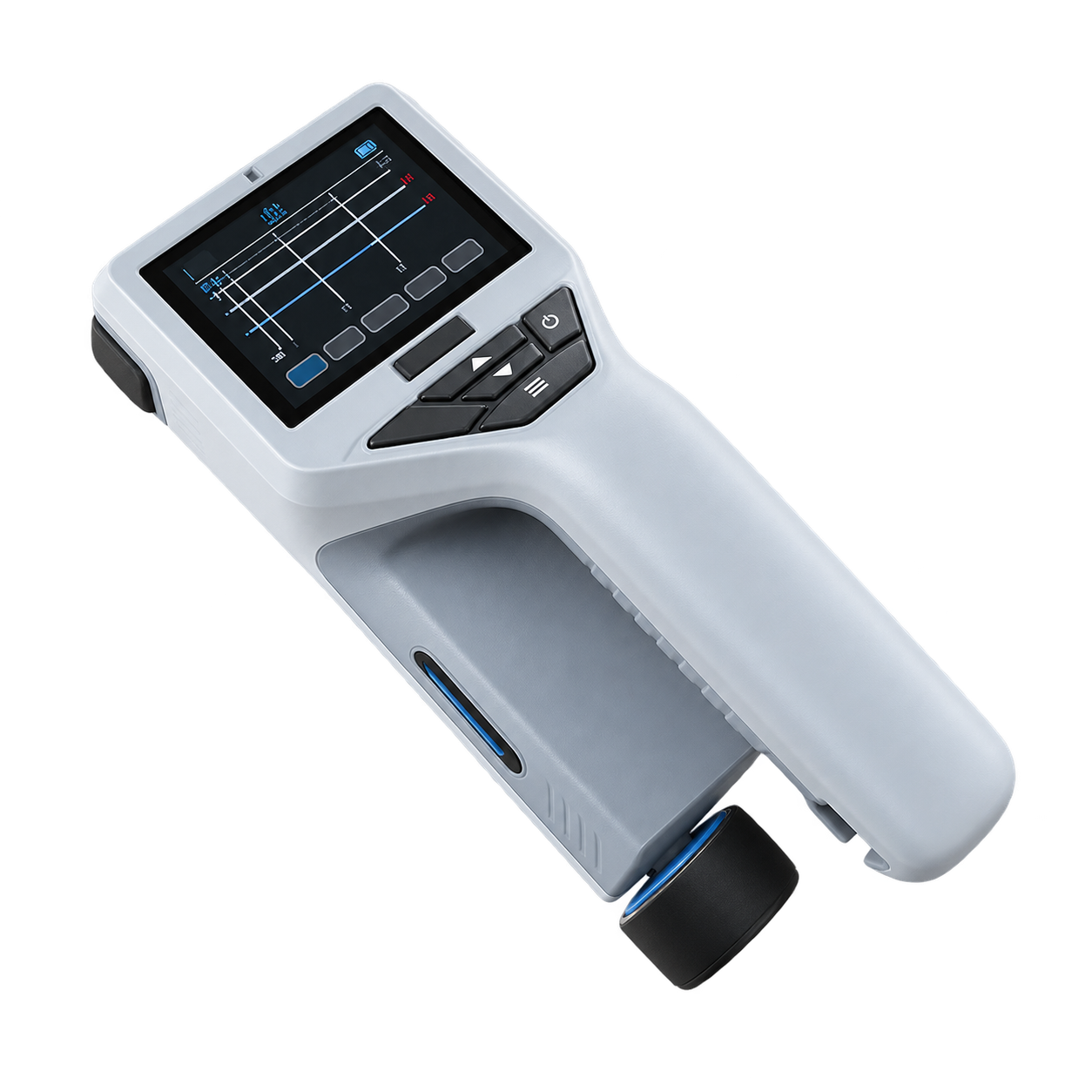
Rebar Scanner & Concrete Cover Meter
Portable electromagnetic rebar scanner for locating reinforcement, mapping bar spacing, measuring concrete cover, and estimating bar diameter in reinforced-concrete inspection workflows.
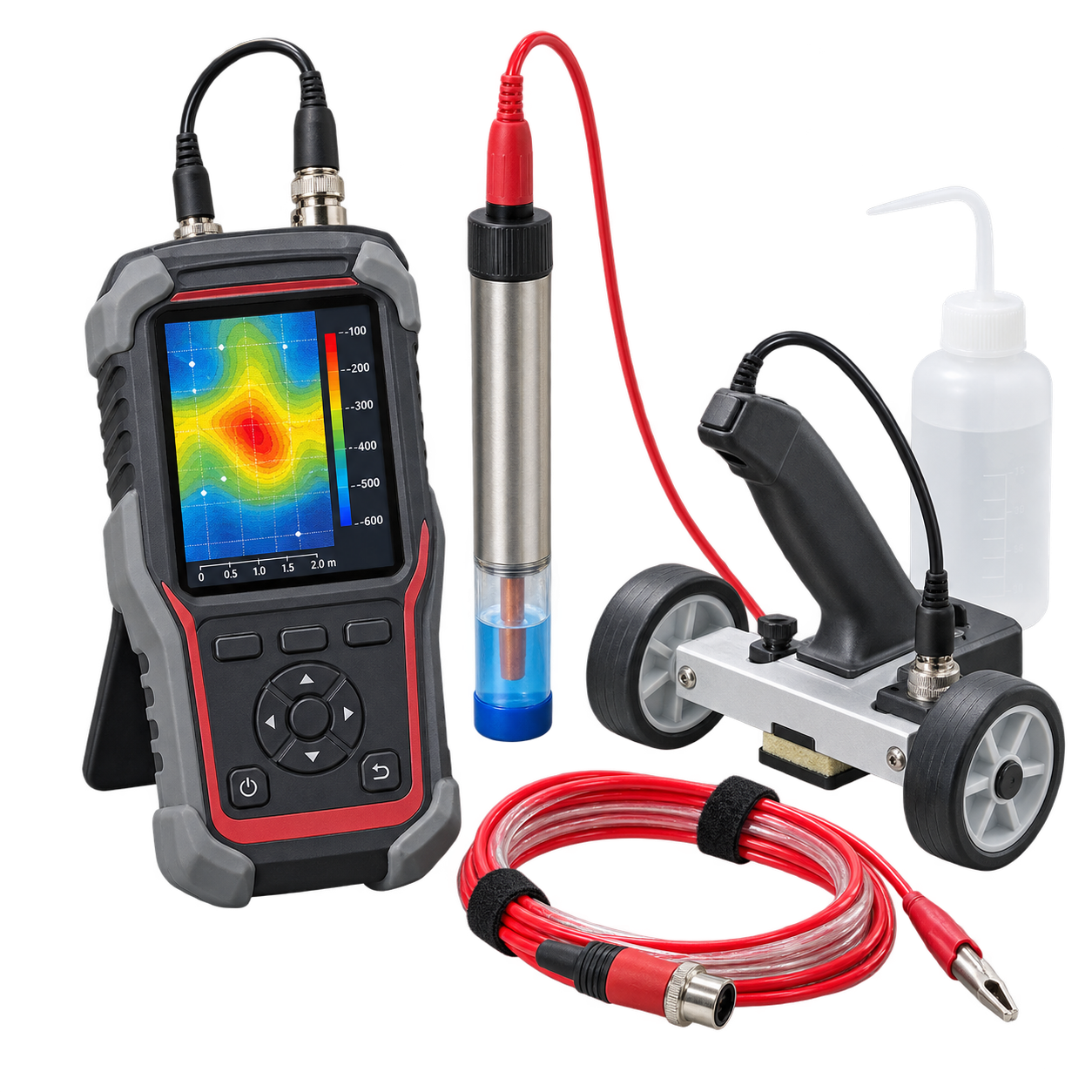
Concrete Corrosion Potential Mapping System
Portable half-cell potential mapping system for identifying spatial variations associated with probable corrosion activity in electrically continuous reinforced concrete.
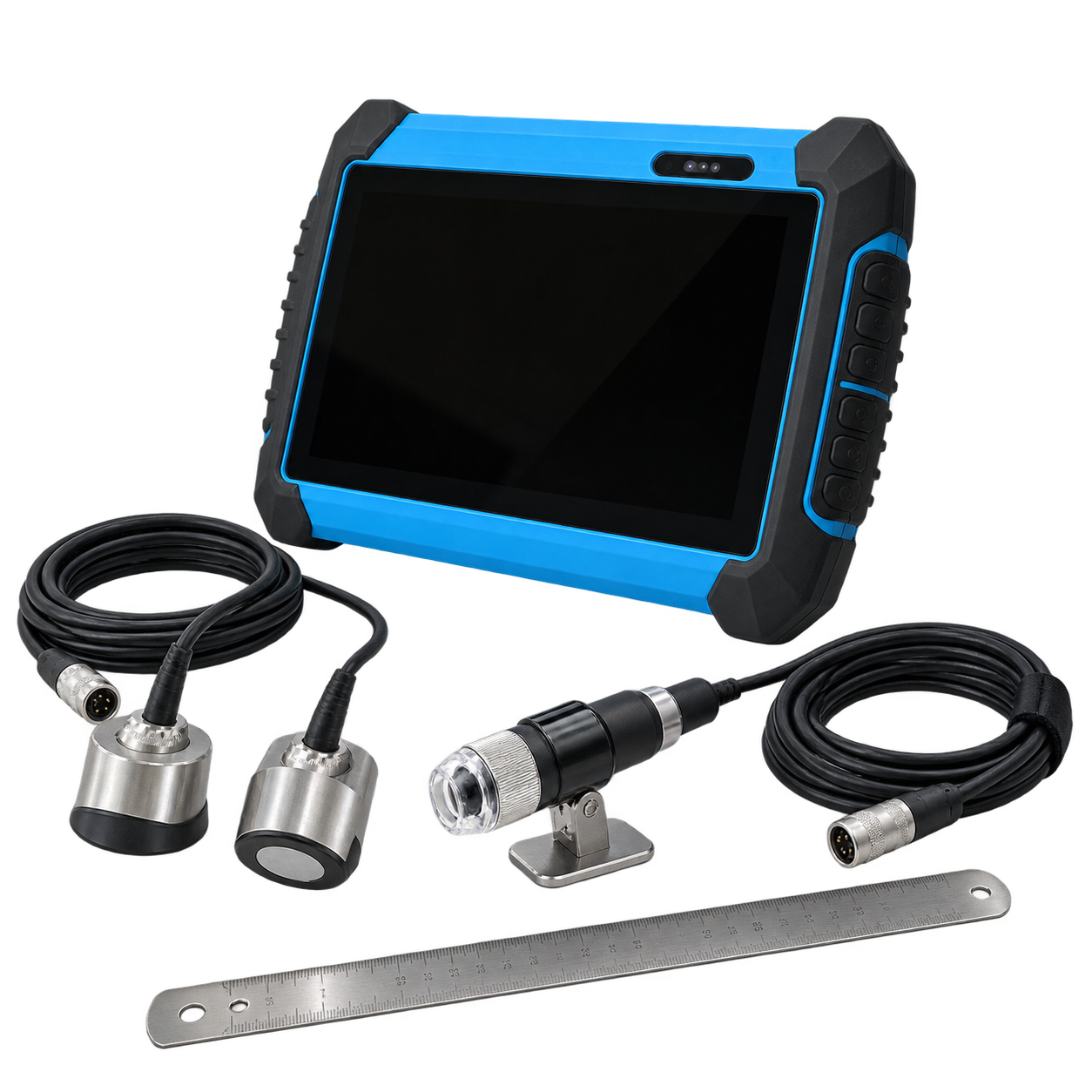
Concrete Crack Width & Depth Tester
Integrated optical and ultrasonic field instrument for quantitative crack-width imaging and estimated crack-depth measurement in concrete and other non-metallic materials.
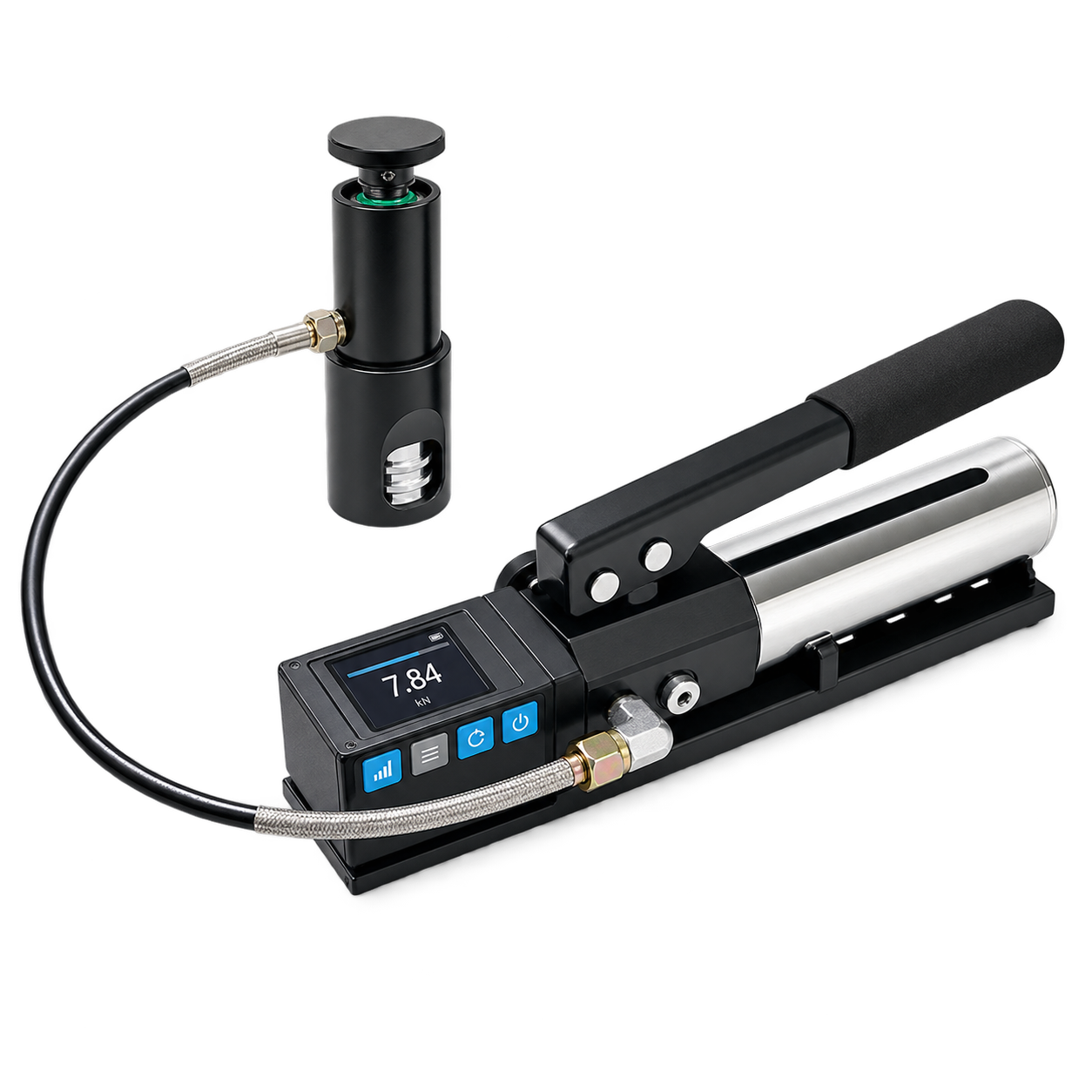
Digital Pull-Off Adhesion Tester
Portable hydraulic pull-off tester for concrete surface tensile strength, repair and overlay adhesion, mortar, tile, coating, and bonded-system verification.
Ultrasonic Pulse Velocity Suite
Handheld ultrasonic diagnostic system for in-situ structural integrity assessment. Includes dual 54kHz transducers and advanced wave-shape analysis software.
Compliance & Standards
All products in the Concrete NDT - Rebar, Corrosion & Cracks category comply with international testing standards including:
ASTM Standards
EN Standards
AASHTO Standards
BS Standards
ISO Standards
Technical Compliance & Insights
ASTM C876: Corrosion Potentials of Uncoated Reinforcing Steel
Half-cell potential mapping indicates the probability of corrosion activity under the stated test conditions; it does not by itself measure section loss or corrosion rate.
ASTM C1583/C1583M: Pull-Off Tensile Strength of Concrete Surfaces
Covers direct-tension pull-off testing of concrete surfaces and repair or overlay systems, including specimen preparation and failure-mode reporting.
ASTM C597: Ultrasonic Pulse Velocity Through Concrete
Defines pulse-velocity measurement through concrete; transducer arrangement, path length, coupling, moisture, reinforcement, and surface condition affect interpretation.
BS 1881-204: Electromagnetic Cover Measurement
Provides recommendations for using electromagnetic cover meters to estimate reinforcement location and concrete cover.
Frequently Asked Questions
Ready to Find Your Solution?
Our experts can help you select the perfect non-destructive diagnostics equipment for your specific needs.