BITUMEN
Bitumen Ductility Testing Machine & Bitumen Ductility Tester
Bitumen and asphalt binder ductility testing is used to evaluate elongation behaviour, tensile response, and elastic recovery in paving binders, especially polymer-modified asphalt and PMB systems. Lithostek’s range covers routine ASTM D113 compliance, refrigerated force ductility testing, and research-grade automatic workflows for laboratories that need repeatable temperature control, vibration-free motion, and reliable comparison across standard and modified binder formulations.
Selection Guide
Routine Ductility QC
Choose LS-DT150D when you need standard bitumen or asphalt binder ductility testing with stable temperature control and an HMI workflow.
Modified Binder / PMB Research
Choose LS-DT150F when force ductility data and refrigerated testing are required for polymer-modified binders, SBS systems, or elastic recovery programs.
Advanced Lab Automation
Choose LS-DT150G when your lab needs automatic force ductility testing, richer data handling, and research-grade digital workflow integration.
Available Products
3 products in this category
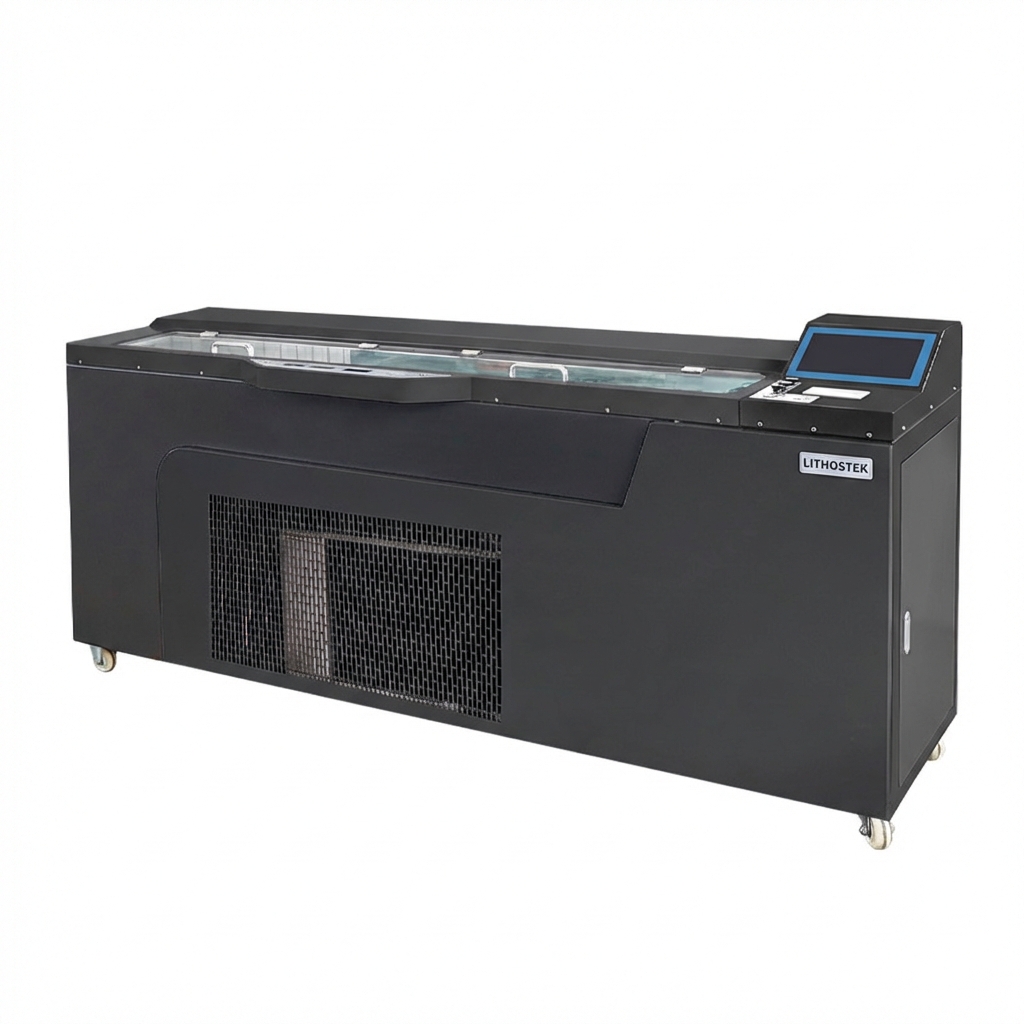
Bitumen Ductility Testing Machine
The essential high-precision HMI-controlled solution for asphalt ductility testing. Features a 10.1-inch color touchscreen and a high-stability double-pump circulation system for superior temp control.
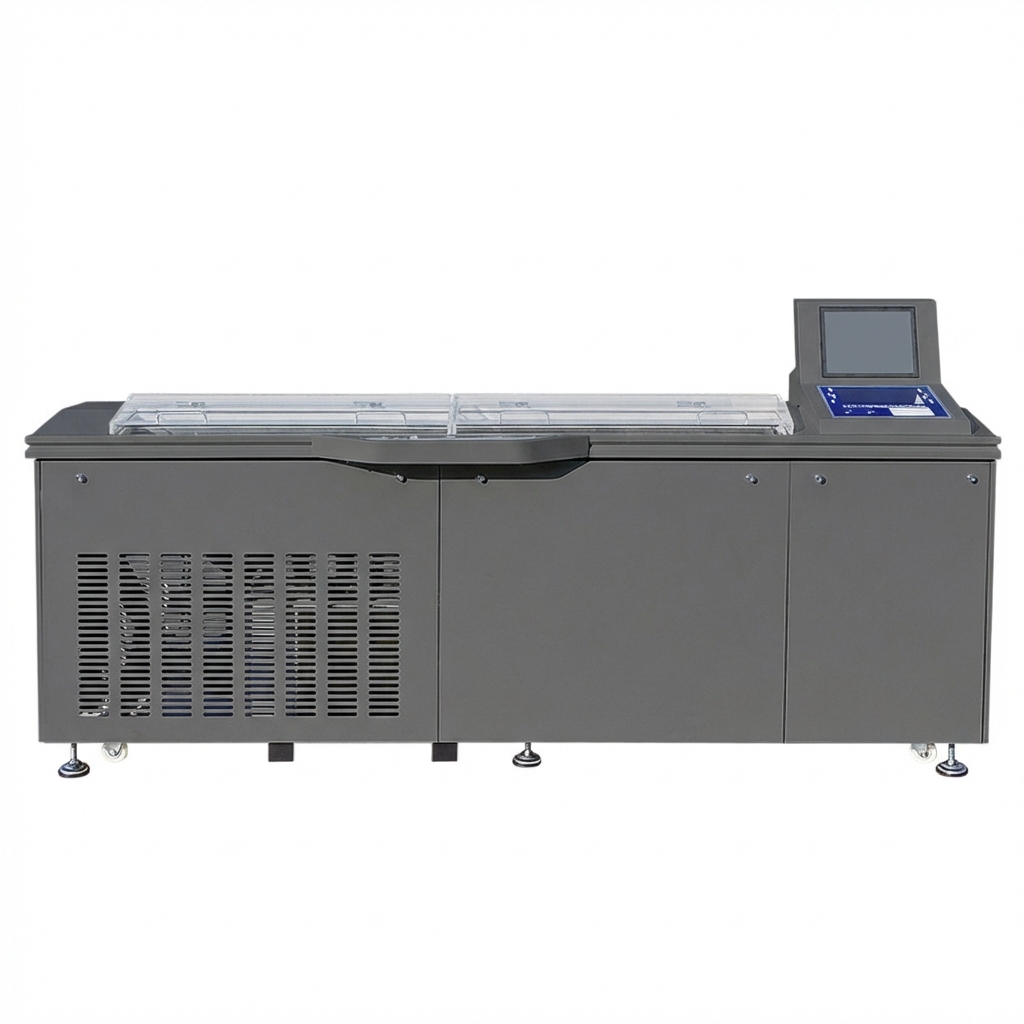
Refrigerated Force Ductility Testing Machine
Refrigerated force ductility testing machine for bitumen and asphalt binder laboratories requiring ASTM D113, EN 13398, and AASHTO T51 workflows. The LS-DT150F combines 3-channel force measurement, low-temperature control, and stress-strain analysis for modified bitumen, PMB, SBS, and elastic recovery testing programs.
Automatic Force Ductility Testing Machine
Automatic force ductility testing machine for bitumen and asphalt binder research laboratories that need advanced ASTM D113 and EN 13398 compliance workflows. The LS-DT150G adds industrial PC control, networked data management, and research-grade stress-strain analysis for modified binder, PMB, SBS, and elastic recovery evaluation.
Compliance & Standards
All products in the Tensile - Ductility & Recovery category comply with international testing standards including:
ASTM Standards
EN Standards
AASHTO Standards
BS Standards
ISO Standards
Technical Compliance & Insights
ASTM D113: Ductility of Asphalt Materials
Commonly referenced for ductility measurement of bitumen and asphalt binders. International laboratories often search directly by this standard when specifying a ductility testing machine.
EN 13398: Bitumen and Bituminous Binders
Widely used in Europe and export markets for ductility characterization and related binder elongation workflows.
AASHTO T51: Ductility of Bituminous Materials
Important for highway agencies and labs that follow AASHTO-based binder testing procedures in North American projects.
Frequently Asked Questions
Ready to Find Your Solution?
Our experts can help you select the perfect physical & standard characterization equipment for your specific needs.