Asphalt Mixture Testing Solutions

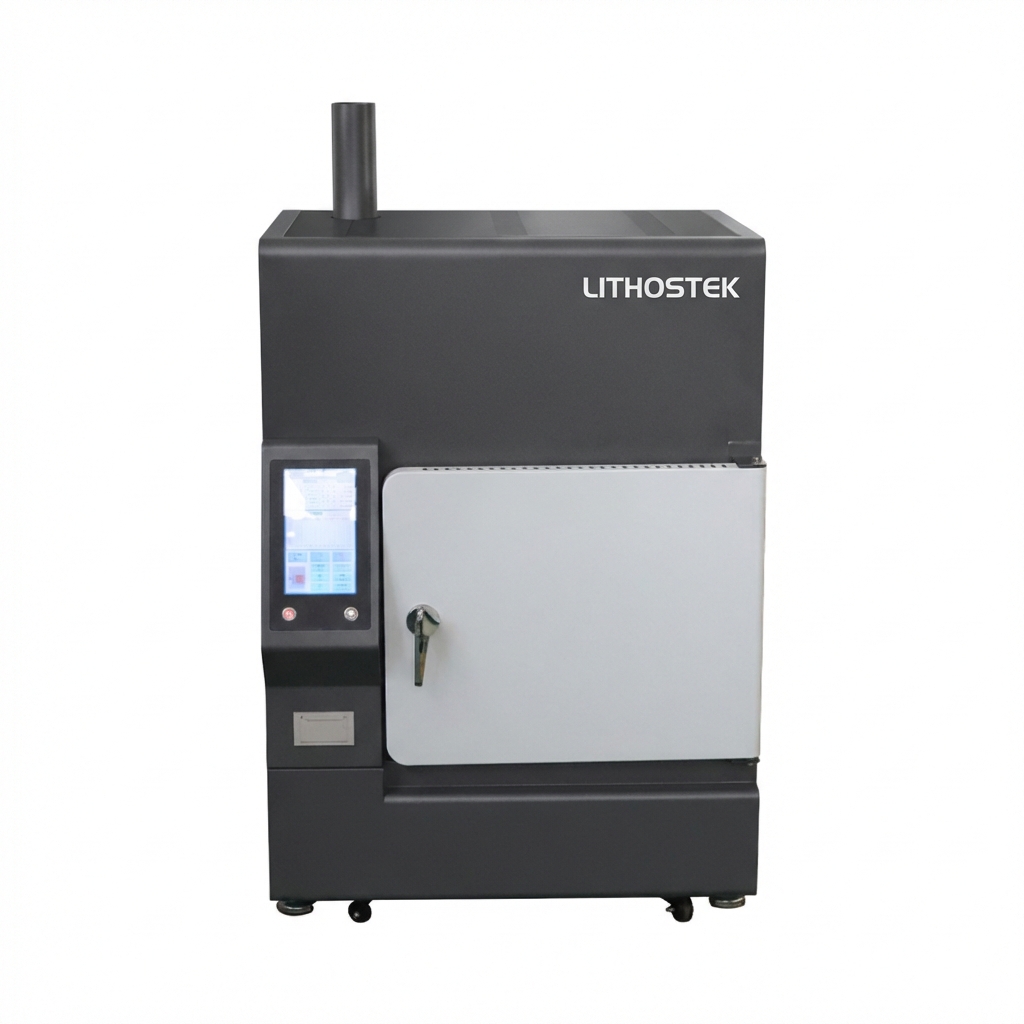
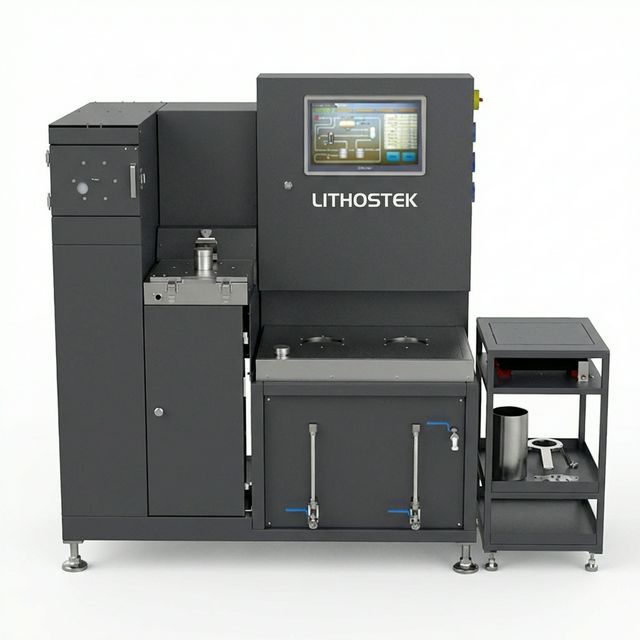
LS-TC30 Asphalt Content Ignition Furnace

Automatic asphalt binder-content tester using the ignition method for ASTM D6307 and AASHTO T308 workflows.

Configured for ASTM D6307, AASHTO T308 workflows

LS-TC30 Asphalt Content Ignition Furnace is a asphalt content ignition furnace and asphalt extraction equipment for ASTM D6307, AASHTO T308 workflows. Built for ASTM D6307 and AASHTO T308 workflows, it handles up to 3,500 g with a 0.1 g internal balance and automatically detects the test endpoint.

Max Sample
3,500 g
Recommended 1,200–1,800 g
Balance
0.1 g
Internal self-calibration
Chamber
600 °C
Maximum temperature
Afterburner
900 °C
Active emission control

Closed-Loop Digital Analytics

Specifically engineered for high-throughput laboratory environments with real-time loss and temperature curve visualization on a large-scale touch interface.

Internal Balance Calibration

An internal calibration weight supports routine balance checks without dismantling the weighing system.

Multi-Language Research Workstation

Seamlessly switch between international localized interfaces, supporting global laboratory standards and multi-national operator teams.

High-Temperature Afterburner

The integrated afterburner reaches 900°C to oxidize combustion gases before exhaust; laboratories should still confirm local ventilation and operating requirements.

Direct Data Traceability

A built-in USB interface supports direct Excel-format export for laboratory records and downstream review.

Multi-Program Memory Suite

Store up to 30 unique ignition profiles (OGFC, SMA, etc.) to optimize test cycles for varying mixture skeleton types and binder contents.

Application & Search Guide

Testing Method

Asphalt binder content measurement by ignition

LS-TC30 Asphalt Content Ignition Furnace is an automatic asphalt content ignition furnace for determining binder content in asphalt mixtures under ASTM D6307 and AASHTO T308. The ignition oven continuously monitors sample mass while the binder burns off, detects the endpoint, and records the mass loss used in the laboratory's corrected binder-content calculation.

How binder content is measured by ignition

A prepared asphalt-mixture sample is weighed, heated in the furnace, and monitored as combustible binder is removed. The integrated balance tracks mass loss and the control system ends the cycle when the configured stability criterion is reached. The laboratory then applies the validated correction factor required for its aggregate, mixture, and equipment combination.
Correction factors and aggregate mass change

Some aggregates gain or lose mass at ignition temperatures, so raw mass loss is not automatically equal to binder content. Laboratories should establish and document a correction factor in accordance with the applicable method and their own mix/equipment combination, then confirm it when aggregate source or mixture design changes.

How NCAT furnace terminology relates to asphalt ignition furnaces

NCAT furnace is a historical industry term associated with early adoption of the ignition method for asphalt binder-content testing. Today, laboratories also use asphalt content ignition furnace, asphalt ignition oven, and burn-off oven for equipment based on the same principle: determining binder content from corrected mass loss during ignition. LS-TC30 is Lithostek's implementation of this equipment type, configured for ASTM D6307 and AASHTO T308 with integrated weighing, endpoint control, and a high-temperature afterburner.

Emissions control and laboratory safety

The chamber operates up to 600 °C and the integrated afterburner up to 900 °C to oxidize combustion gases before exhaust. The furnace still requires suitable installation clearances, ventilation, electrical service, heat-resistant handling procedures, and site-specific risk controls defined by the laboratory.

Configuration and accessory checklist

Before ordering, confirm sample baskets and trays, basket quantity, heat-resistant tools, ventilation connection, 380 V three-phase supply, calibration route, balance verification weights, data-export format, spare heating elements, installation, training, and any destination-specific documentation. Included and optional items should be confirmed in the quotation rather than assumed from a generic list.

Typical ignition-furnace workflow

  1. 1.Preheat the chamber and select the validated mixture program.
  2. 2.Weigh the prepared asphalt-mixture sample and load the sample basket.
  3. 3.Monitor chamber temperature and sample mass throughout ignition.
  4. 4.Allow the control system to detect the configured mass-stability endpoint.
  5. 5.Apply the laboratory's validated aggregate correction factor.
  6. 6.Review, export, and retain the binder-content result with the test record.

Ignition furnace vs solvent extraction

FactorIgnition furnaceSolvent extraction
Measurement principleBinder is burned off and content is calculated from corrected mass loss.Solvent extraction dissolves binder before aggregate and solution separation.
Solvent useNo extraction solvent is required for the binder-content cycle.Requires a method-compatible solvent and recovery controls.
Recovered binderBinder is consumed and cannot be recovered for further testing.Binder can be recovered when the selected workflow supports recovery.
Recovered aggregateAggregate remains for gradation checks after cooling and correction.Aggregate and mineral filler are separated, dried, and recovered.
Typical selection reasonRoutine binder-content QC with automated mass monitoring.Binder recovery, solvent-based specification, or mixtures requiring extraction analysis.
Technical FAQ

What is an asphalt content ignition furnace?

An asphalt content ignition furnace heats a weighed asphalt-mixture sample until the binder is removed, monitors mass loss, and uses the corrected mass change to determine binder content.

How does an ignition furnace determine asphalt binder content?

The furnace continuously weighs the sample during ignition, detects a stable endpoint, and calculates mass loss. The laboratory applies its validated aggregate correction factor before reporting binder content.

How is LS-TC30 related to the term NCAT furnace?

NCAT furnace is the historical industry term for ignition-method binder-content equipment. LS-TC30 applies the same ignition principle in a Lithostek platform with its own integrated balance, control software, endpoint logic, afterburner, and ASTM D6307/AASHTO T308 workflow configuration.

What is the difference between an ignition furnace and an ignition oven?

In asphalt laboratory purchasing, ignition furnace and ignition oven usually describe the same equipment family: a high-temperature system used to determine binder content by ignition.

Which standards does LS-TC30 support?

LS-TC30 is configured for ASTM D6307 and AASHTO T308 workflows. Laboratories should confirm the current official method edition, local agency requirements, and requested documentation before purchase.

Does every asphalt mixture need a correction factor?

The applicable method and the aggregate's behavior determine the correction procedure. Laboratories should validate the factor for their aggregate source, mixture design, and furnace, then review it when those conditions change.

How much sample can LS-TC30 test?

The maximum sample capacity is 3,500 g, with a recommended working range of 1,200–1,800 g. The laboratory should select sample mass according to the method, nominal maximum aggregate size, and validated procedure.

When should a laboratory use solvent extraction instead?

Use solvent extraction when the governing method requires it, when recovered binder is needed for further testing, or when the mixture and laboratory procedure are better suited to closed-loop extraction and recovery.

ISO 9001 QUALITY
CE COMPLIANCE
GLOBAL LOGISTICS
TECHNICAL SUPPORT
RETURN TO TOP ↑